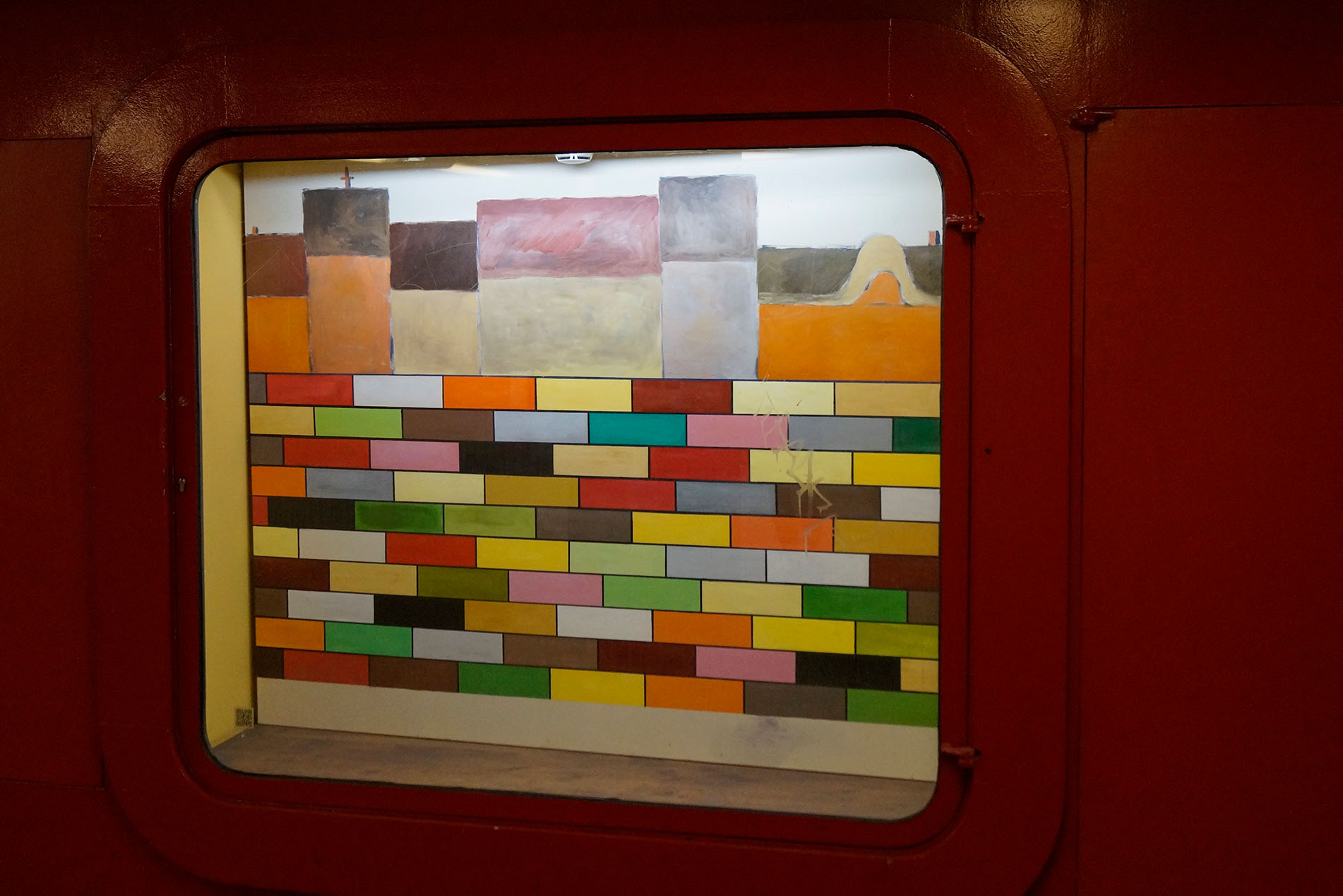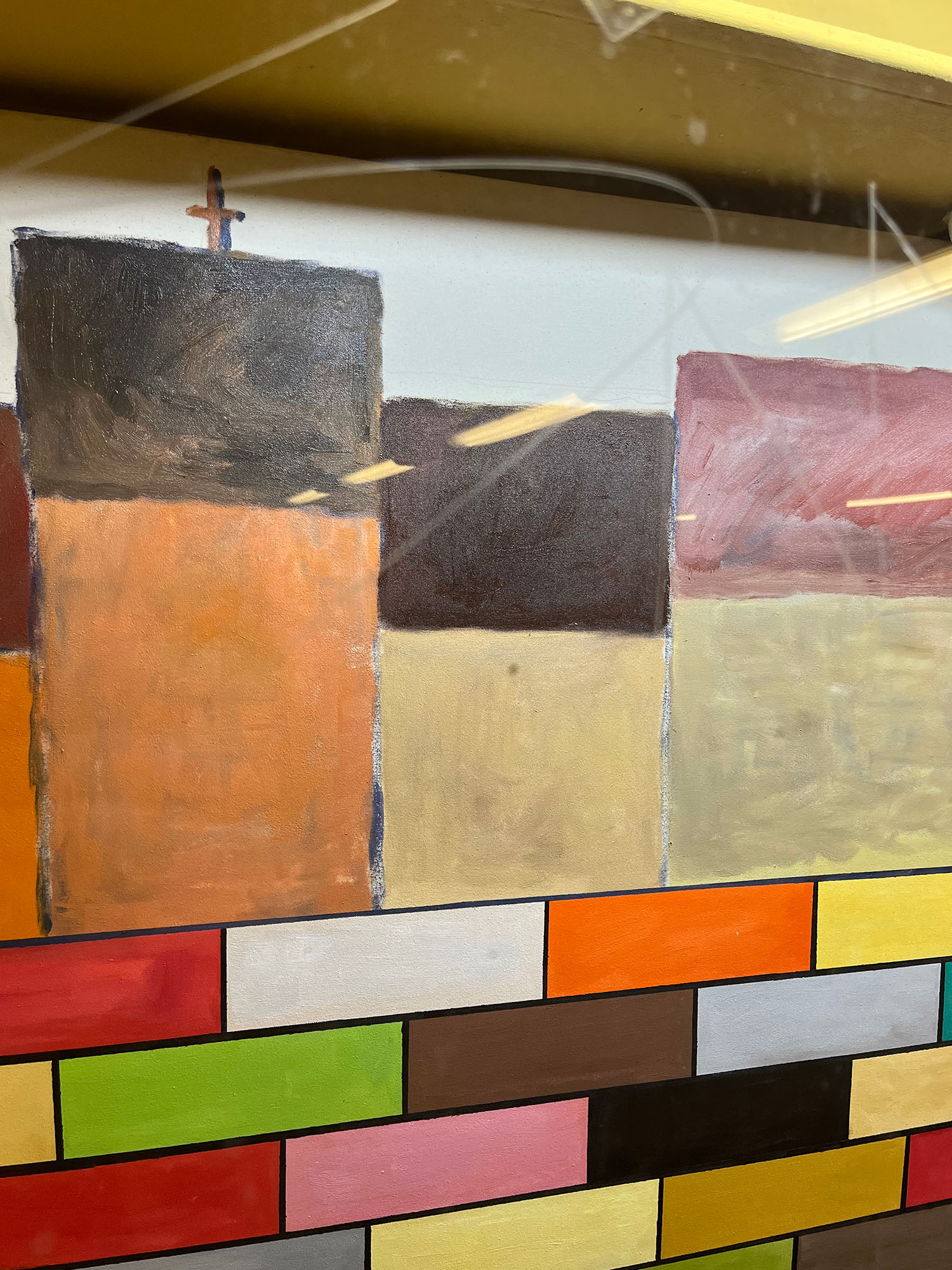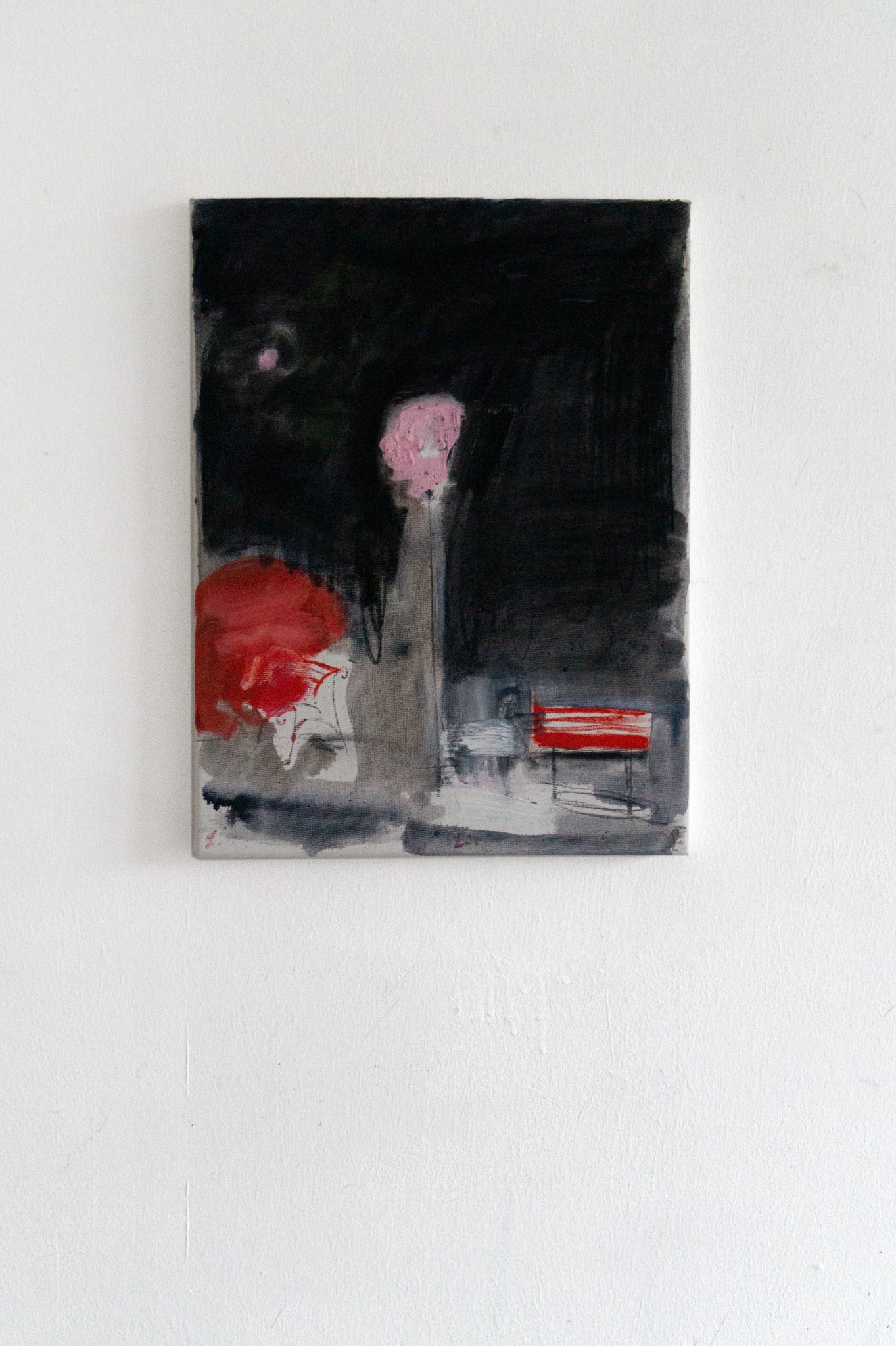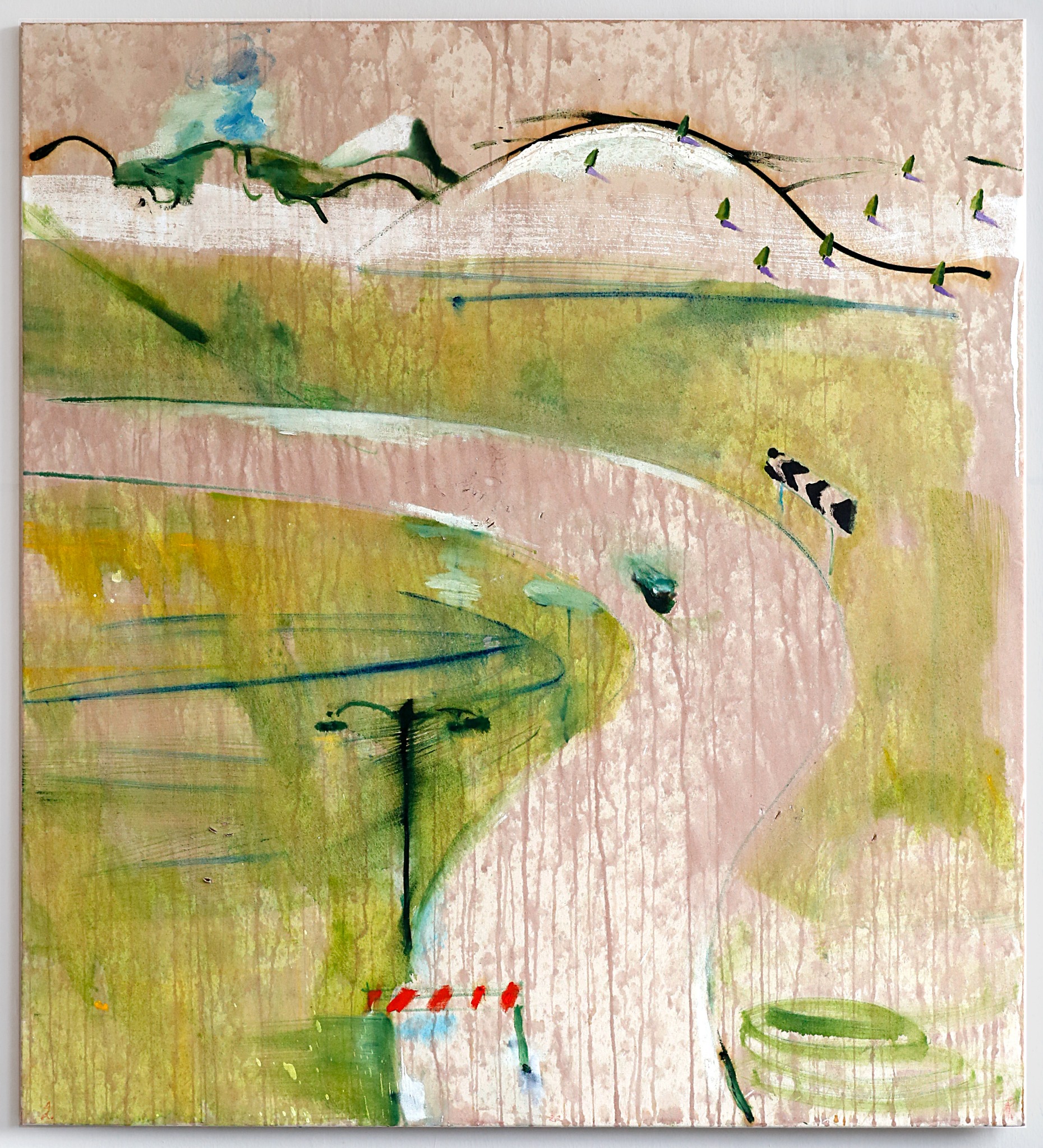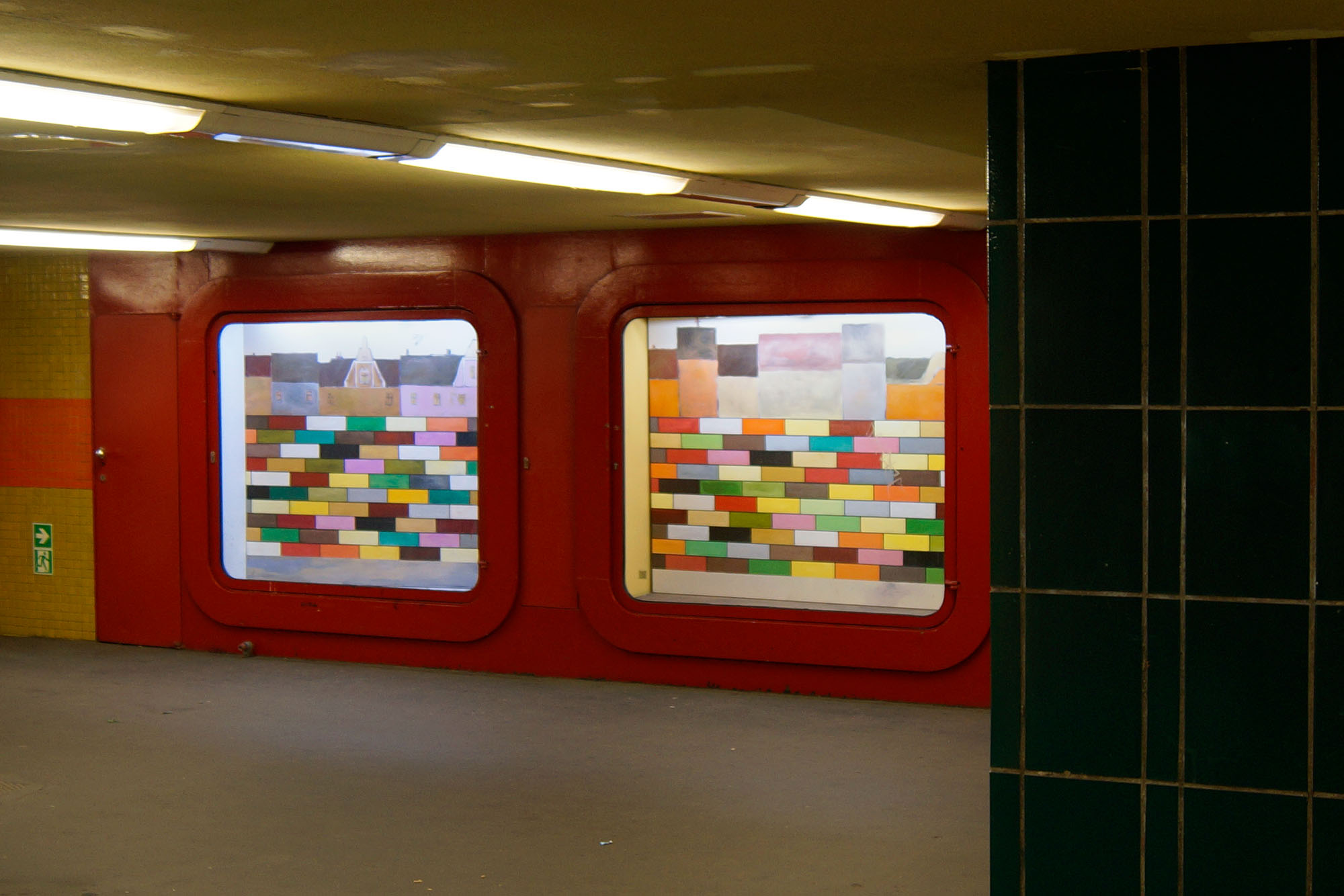
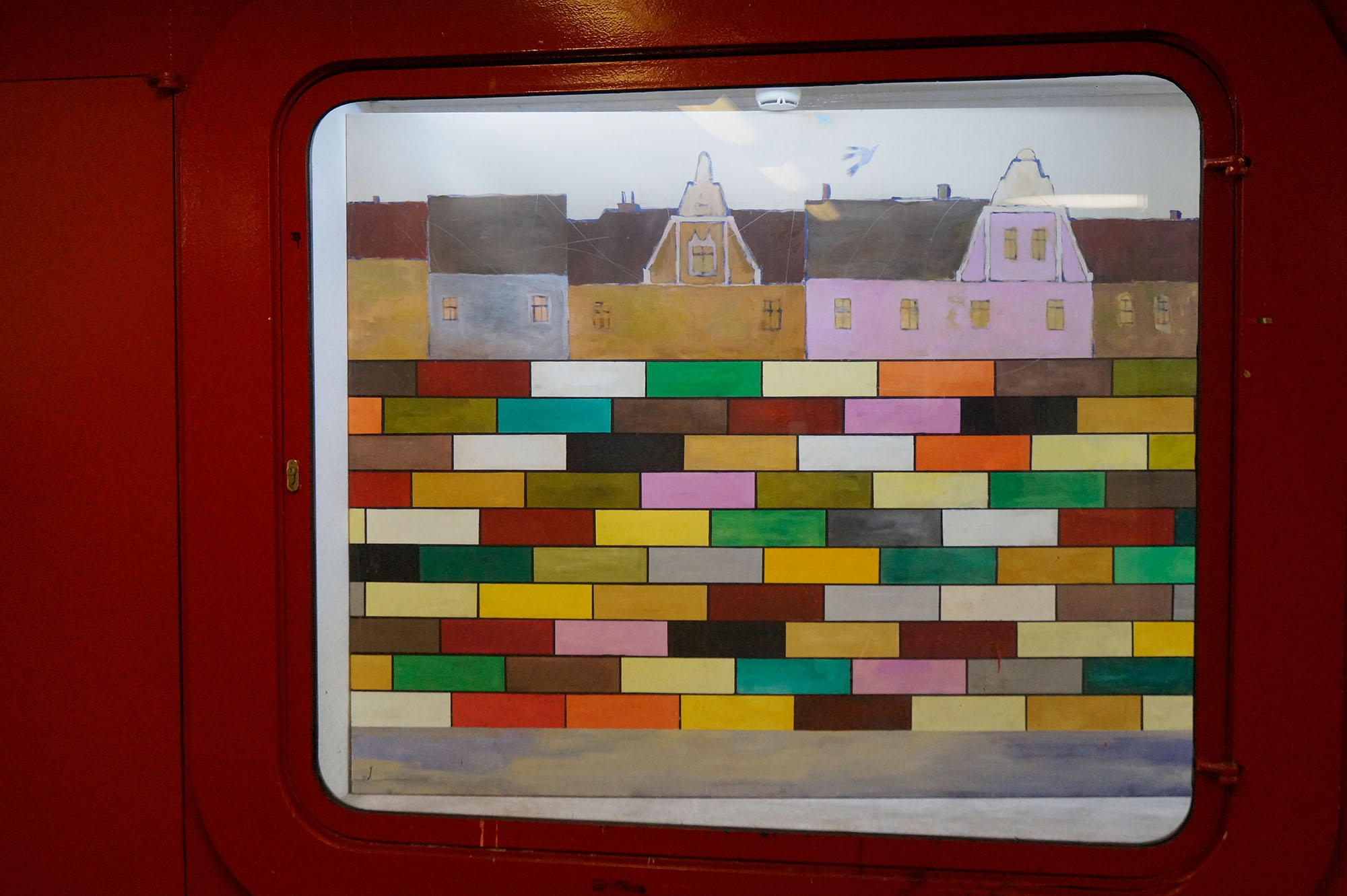
Two paintings were produced for two display cases in the Eisenacher Strasse Subway station as an architectural intervention. Multicolored brick walls that were inspired by the subway environments of Rainer G. Rümmler’s U7 stations were painted onto flat cityscape scenes and void of figures. As the horizontal narrative of the cityscape continued from one vitrine to the next, objects became less detailed and more abstracted into flattened color fields.
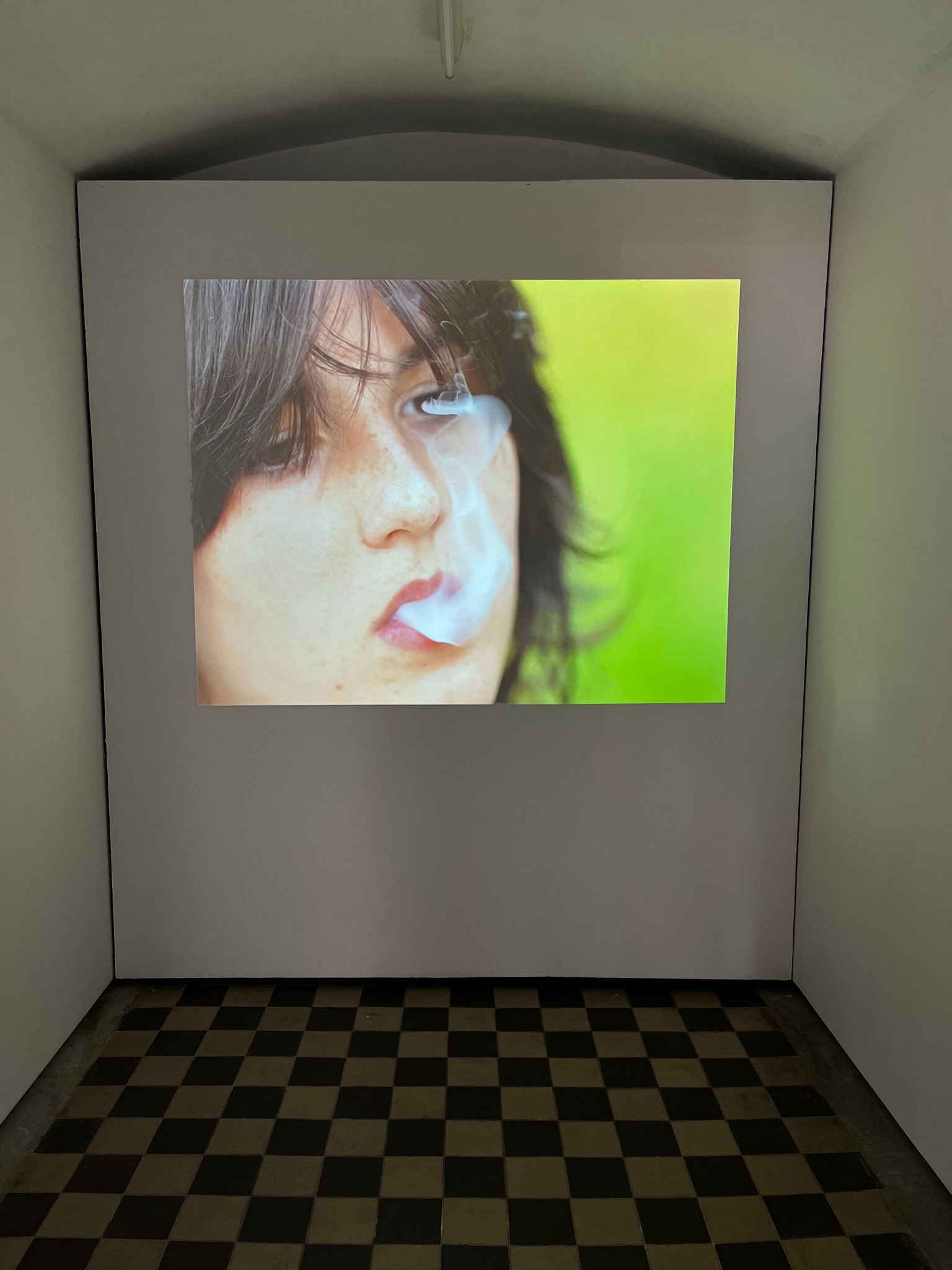
Made to have no beginning or end, a few seconds of footage was slowed down to several minutes and played on repeat indefinitely.
The video is accompanied by Elisabeth Wood's rearrangement of a Baccara song, with vocals by J.R. Blank and Elisabeth Wood. Through repetition, the song becomes an endless refrain:
I’ve never known a love to last
I’ve seen a lot of loves go past
I don’t know how but I know why
I’m gonna love you til I die.
I don’t know how but I know why
I’m gonna love you til I die.


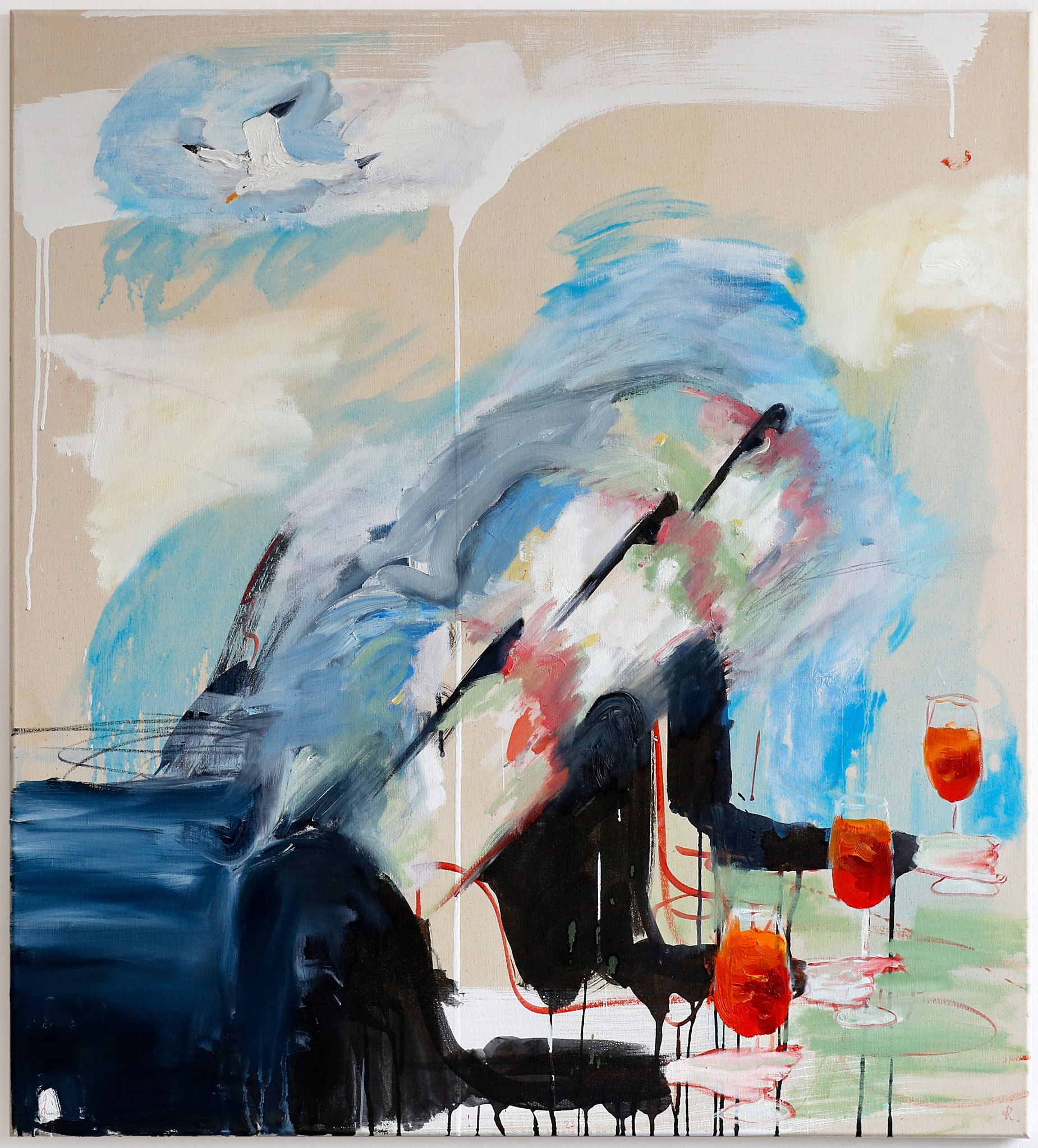
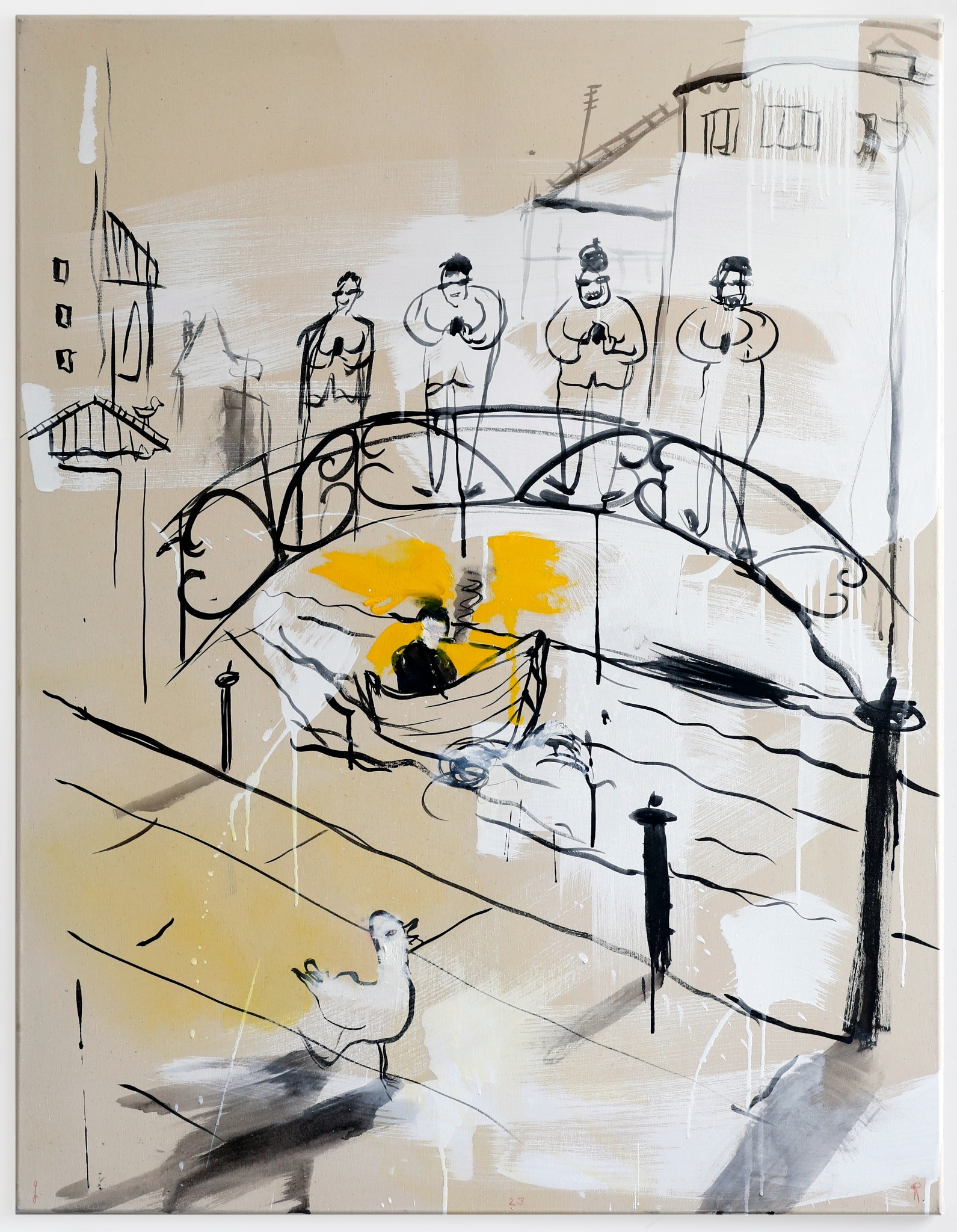
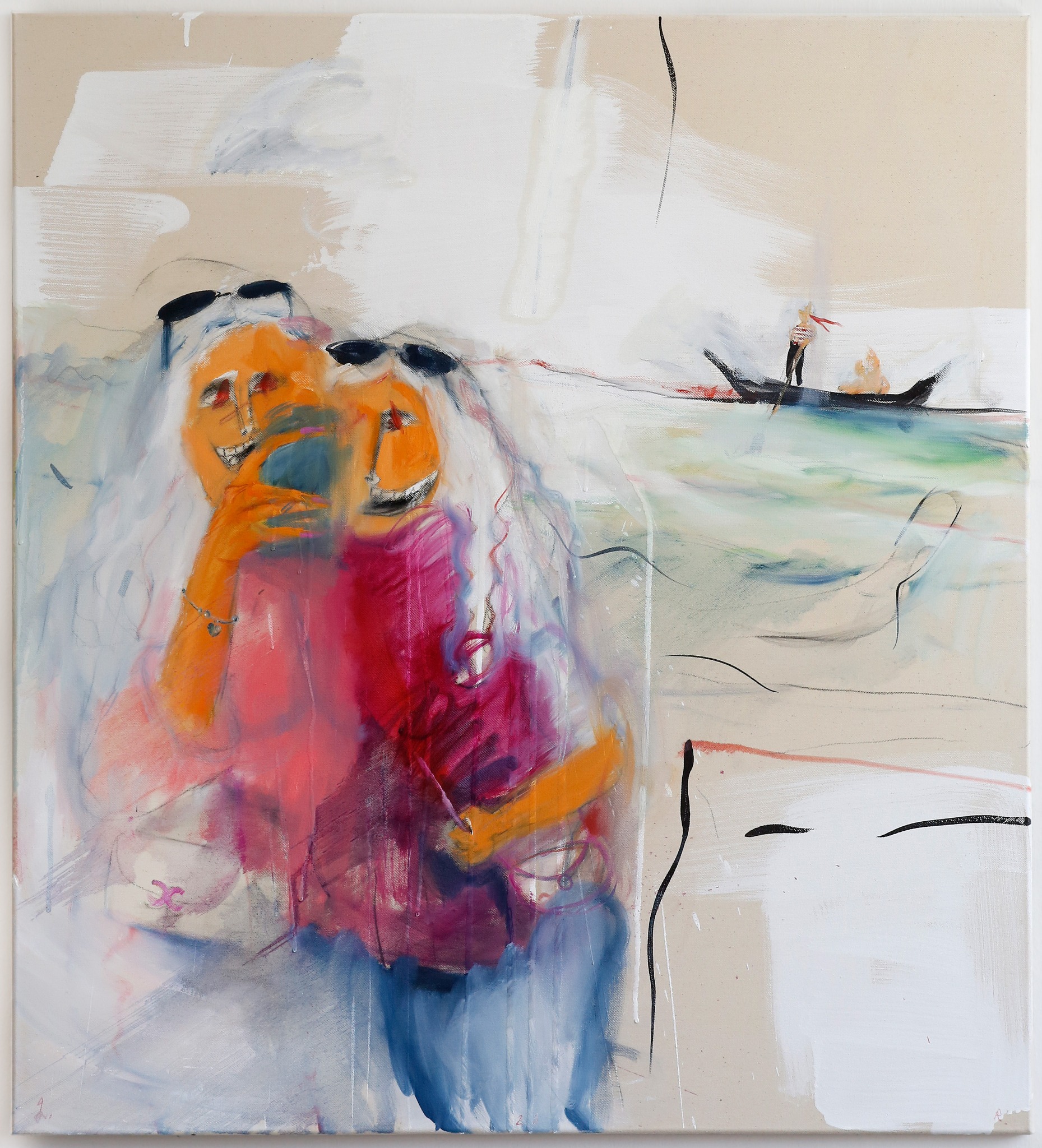
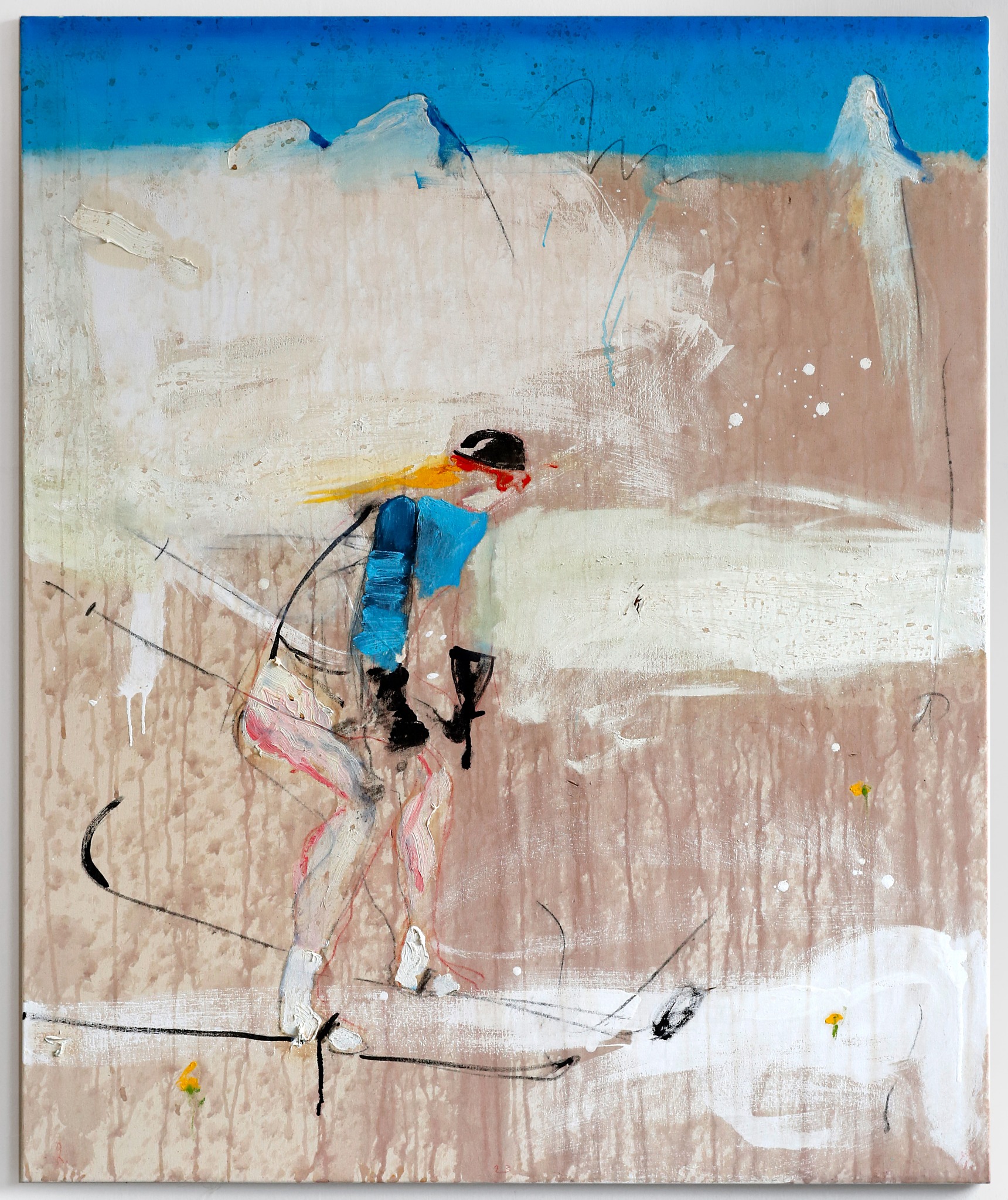
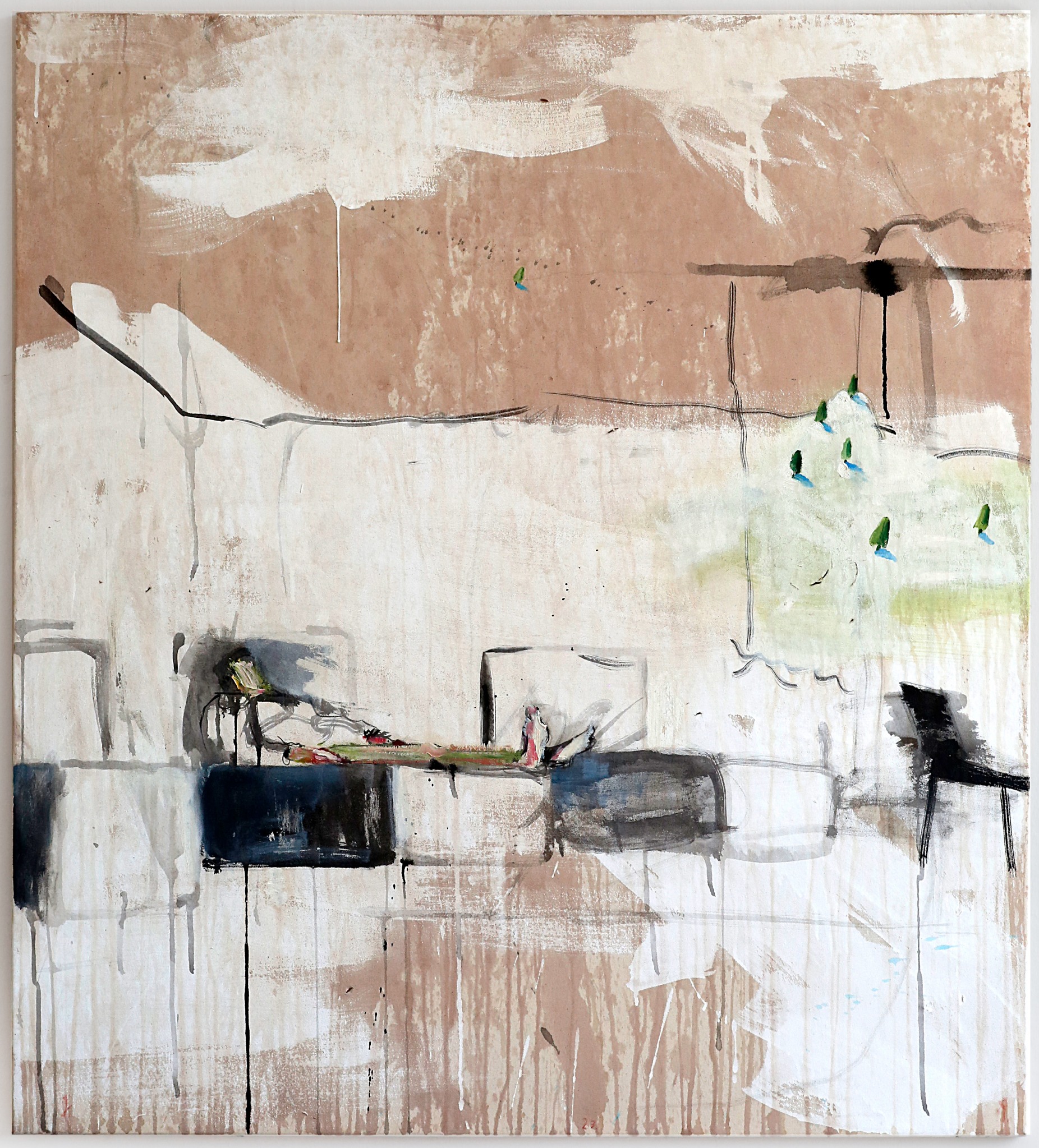
The series of large-format, narrative paintings began with a trip to Venice months before the Biennale Arte opened and ended in Eck Museum Bruneck with three, site-specific paintings that were made while sleeping inside the museum over the course of one week. The works were shown as part of the performance Desperation. Glasses of wine were thrown throughout the exhibition space while an audio work played, based on a Soviet-era broadcast, but with the historical context and proper names removed.


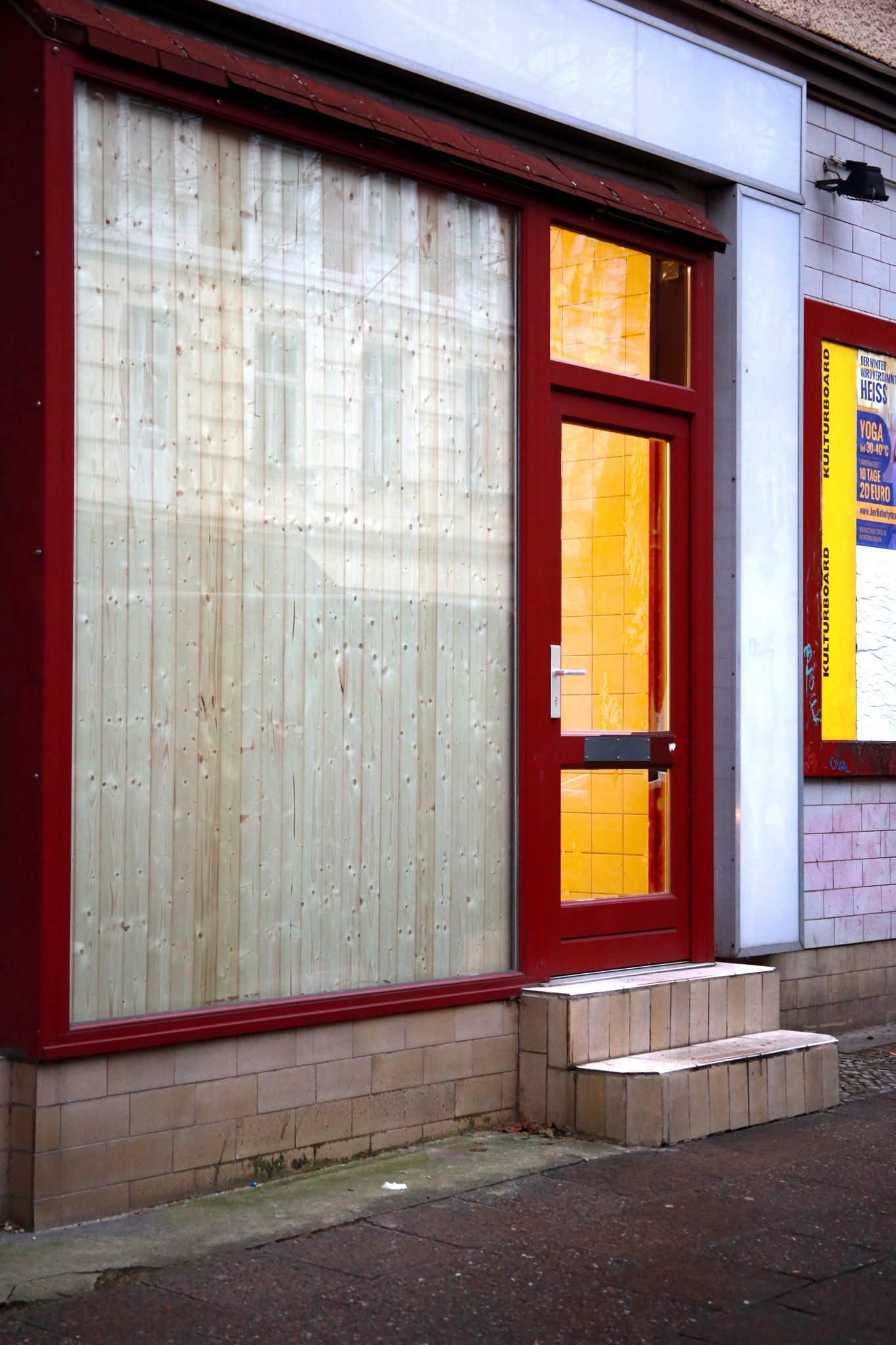
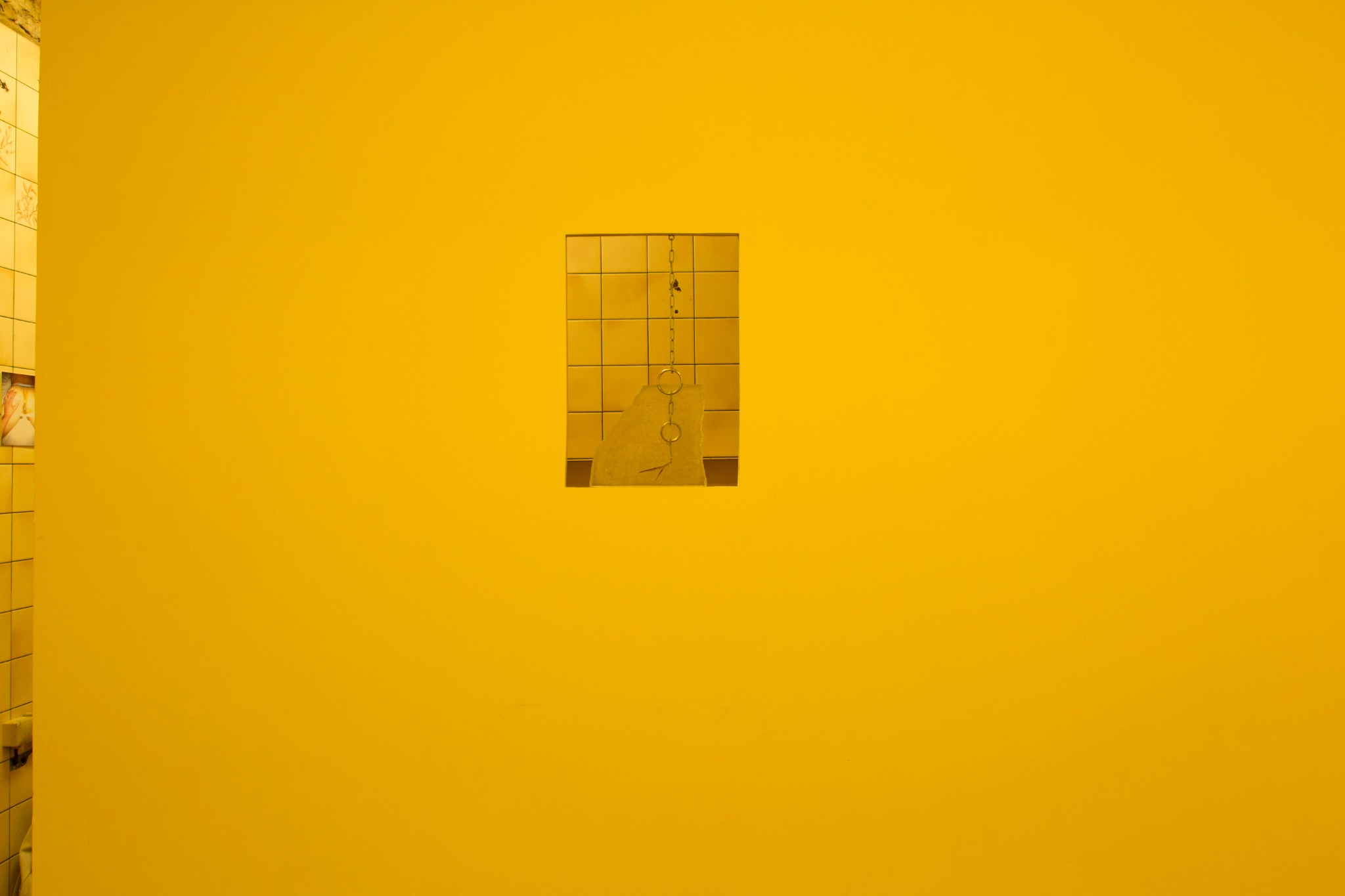
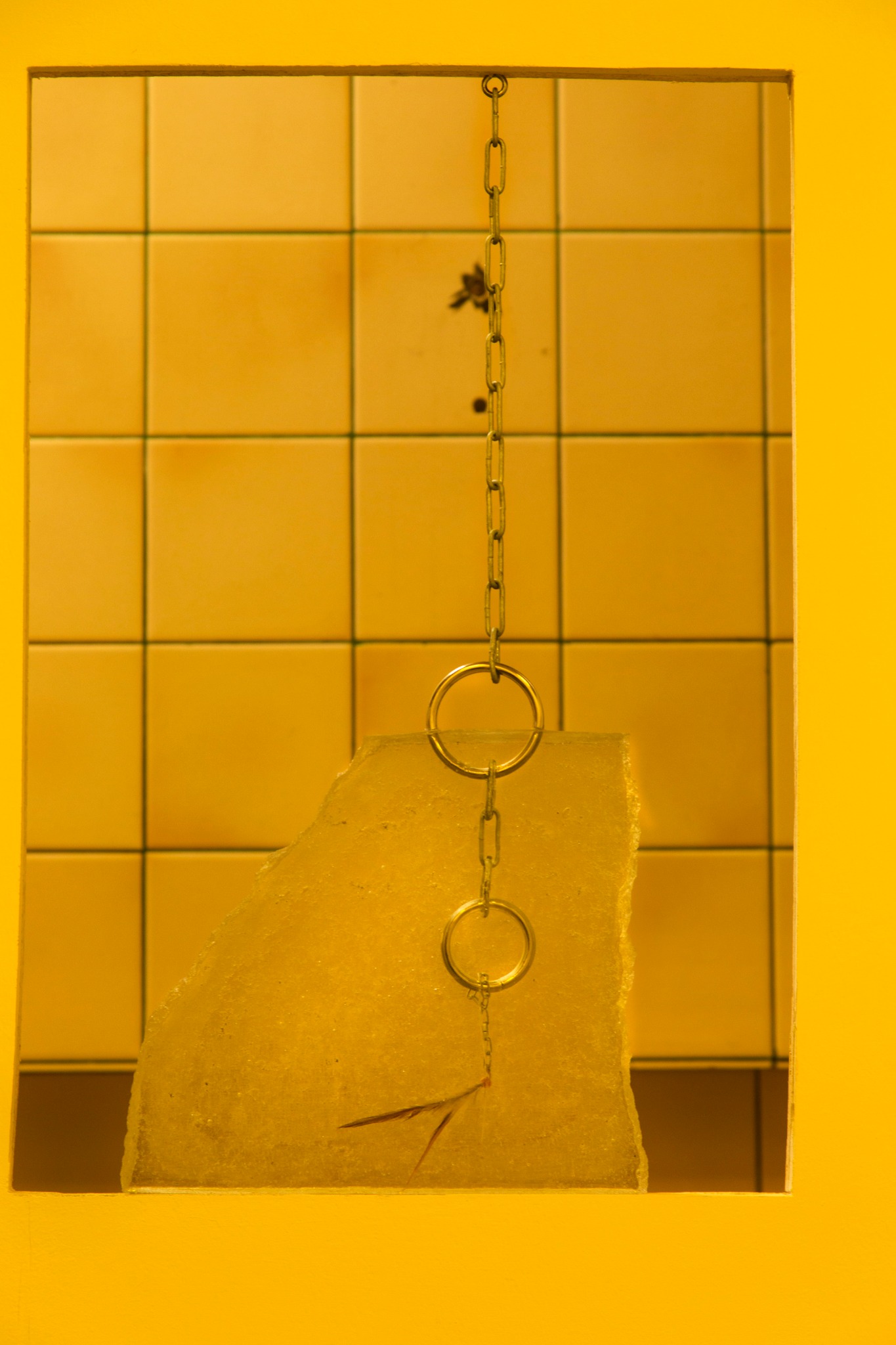
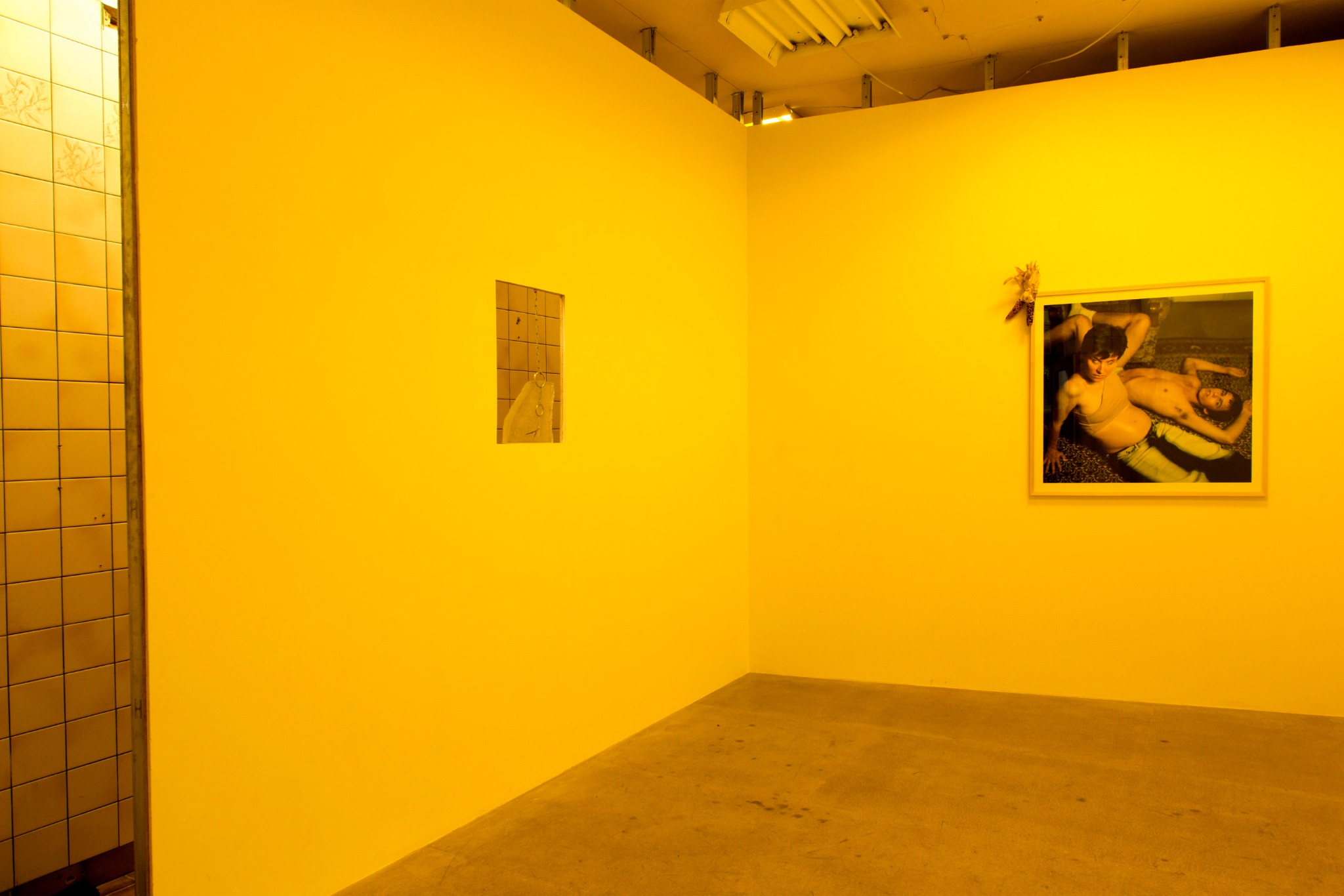
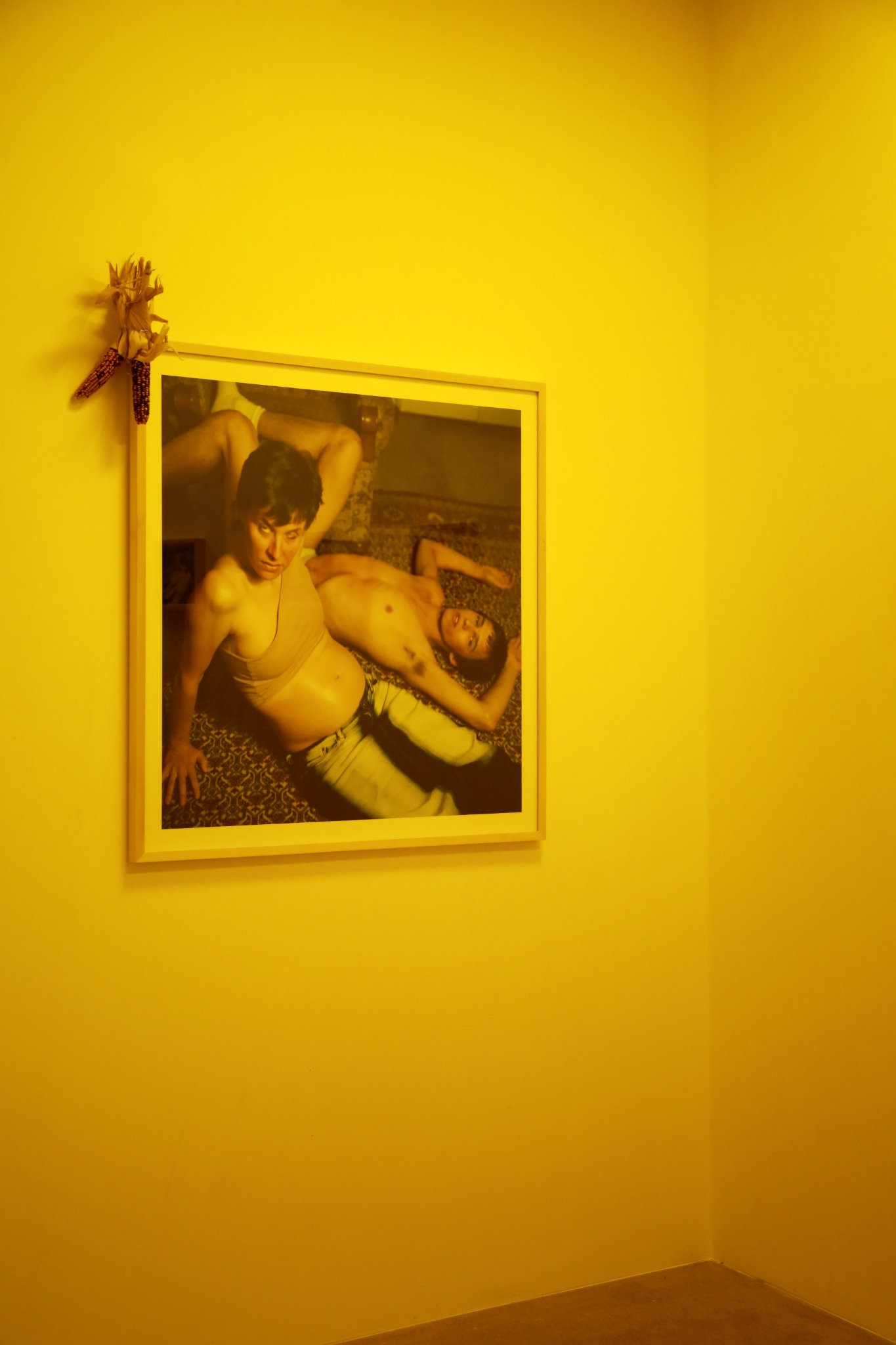
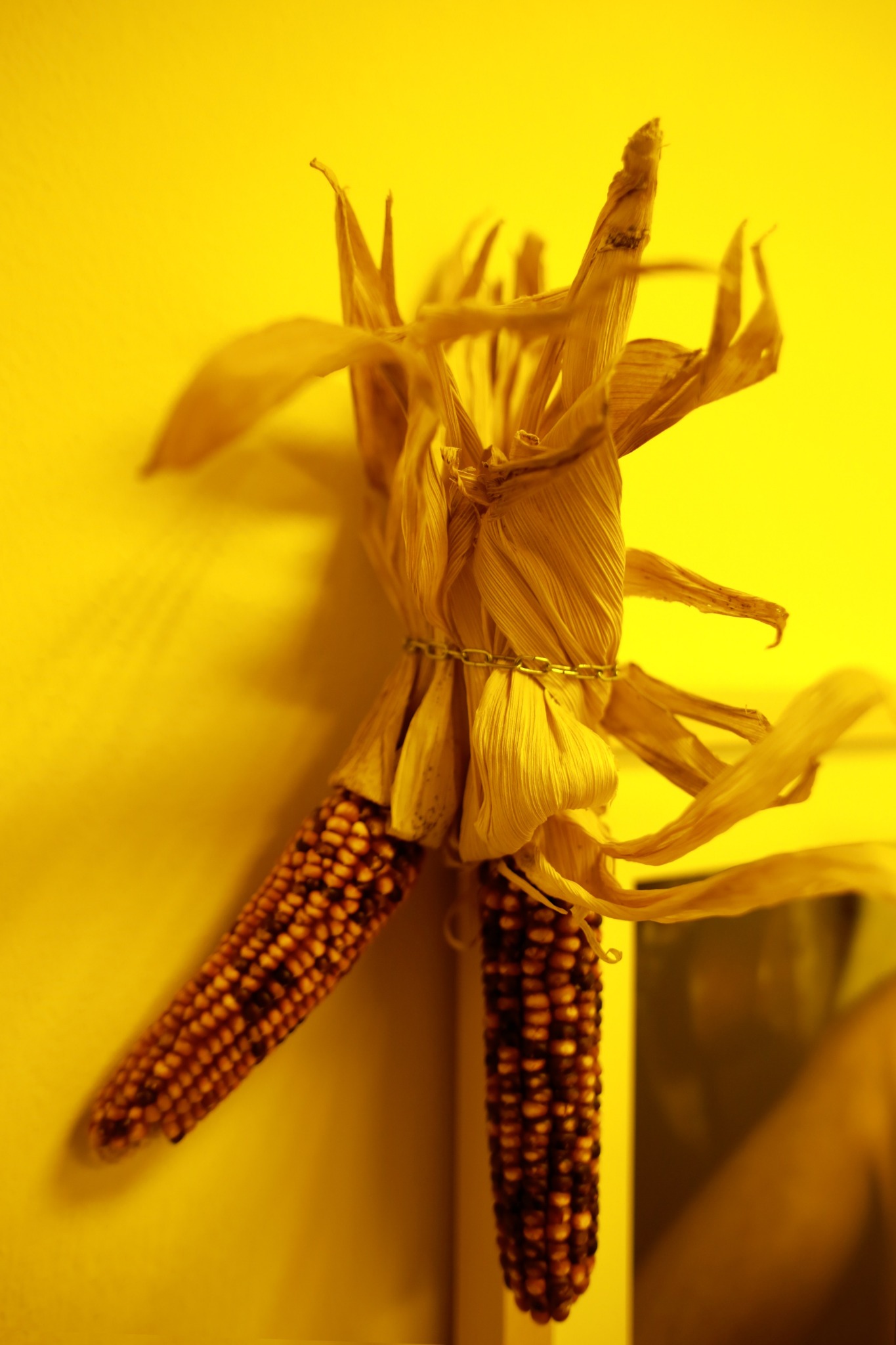
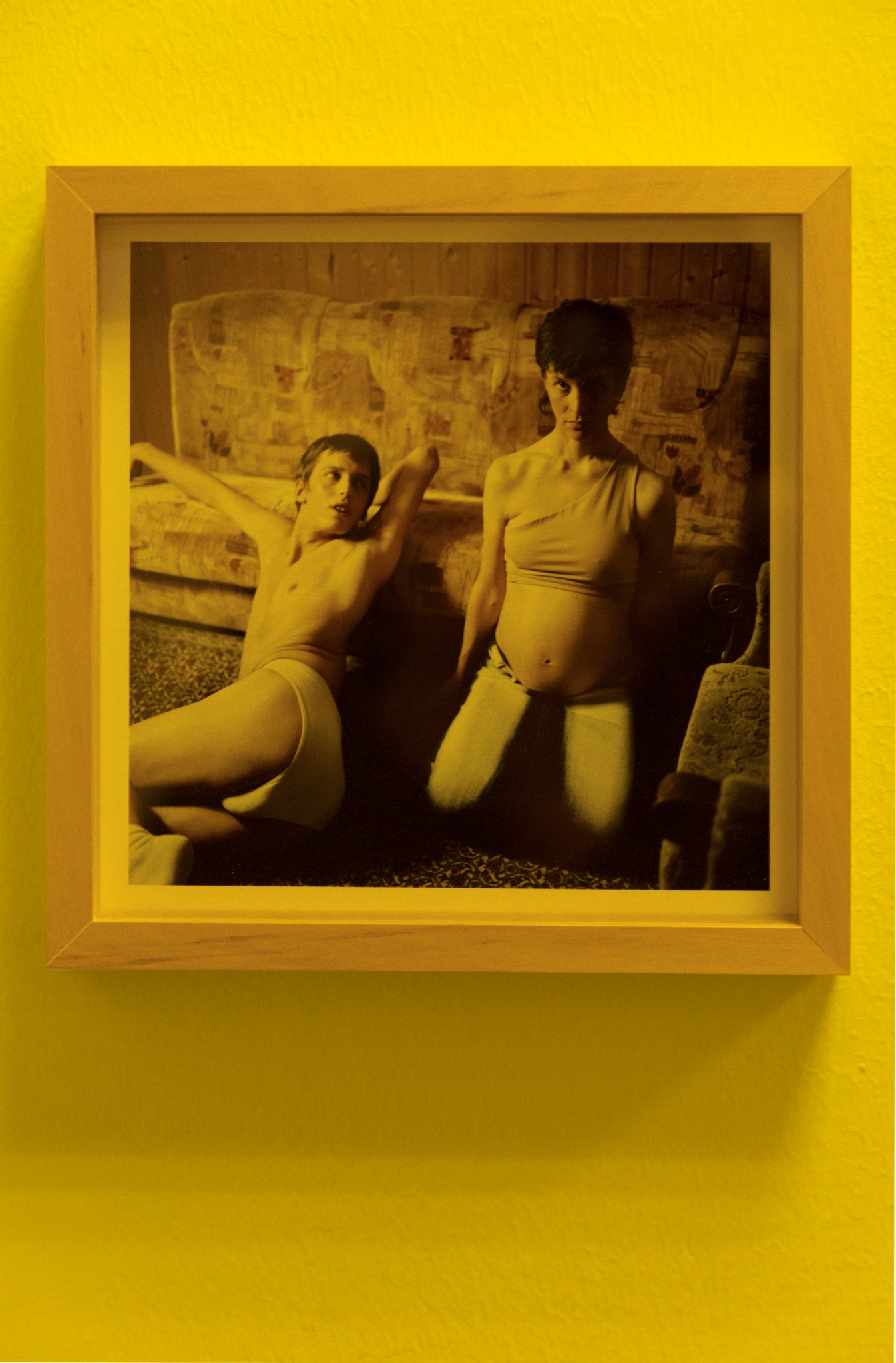
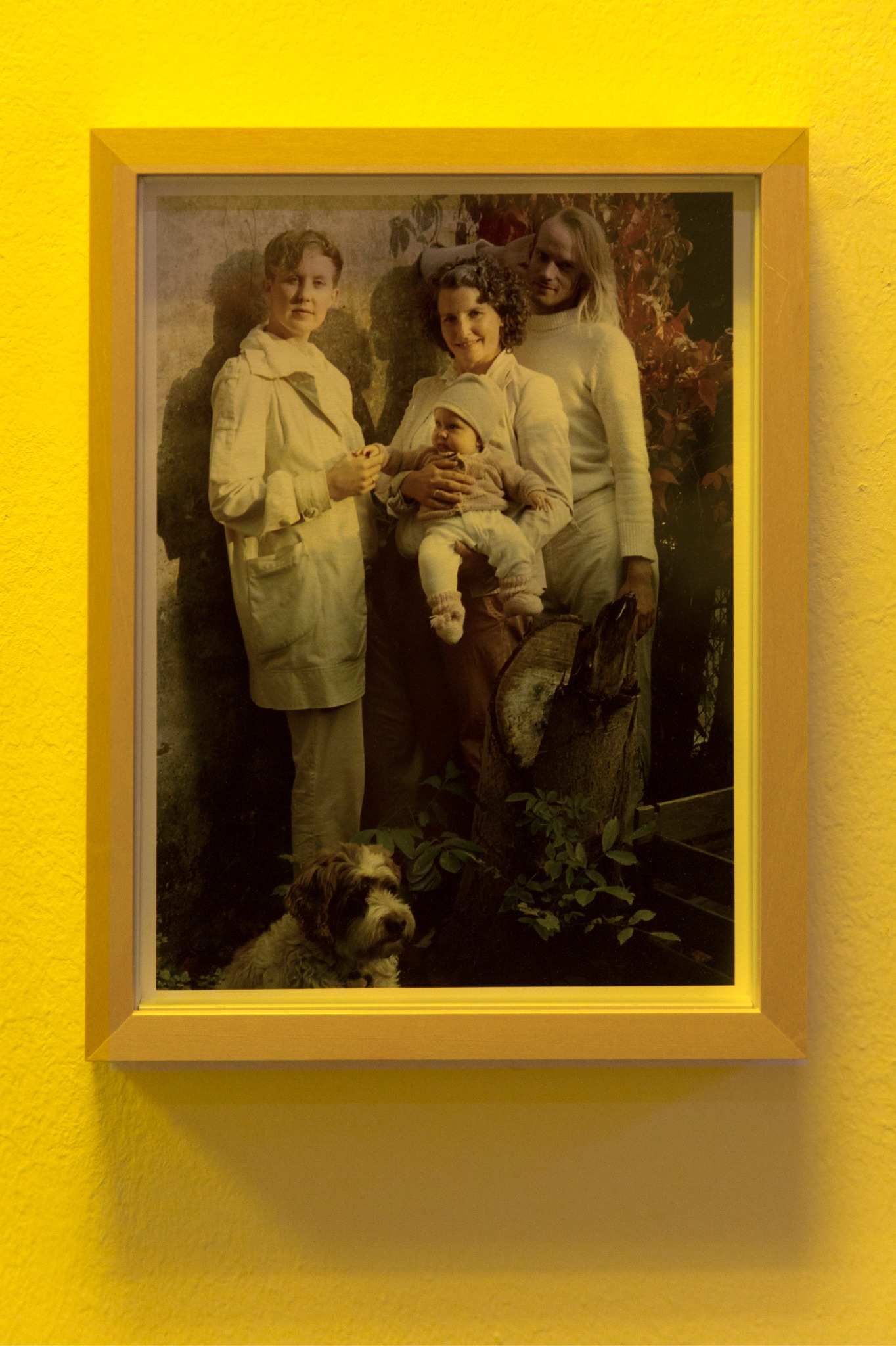
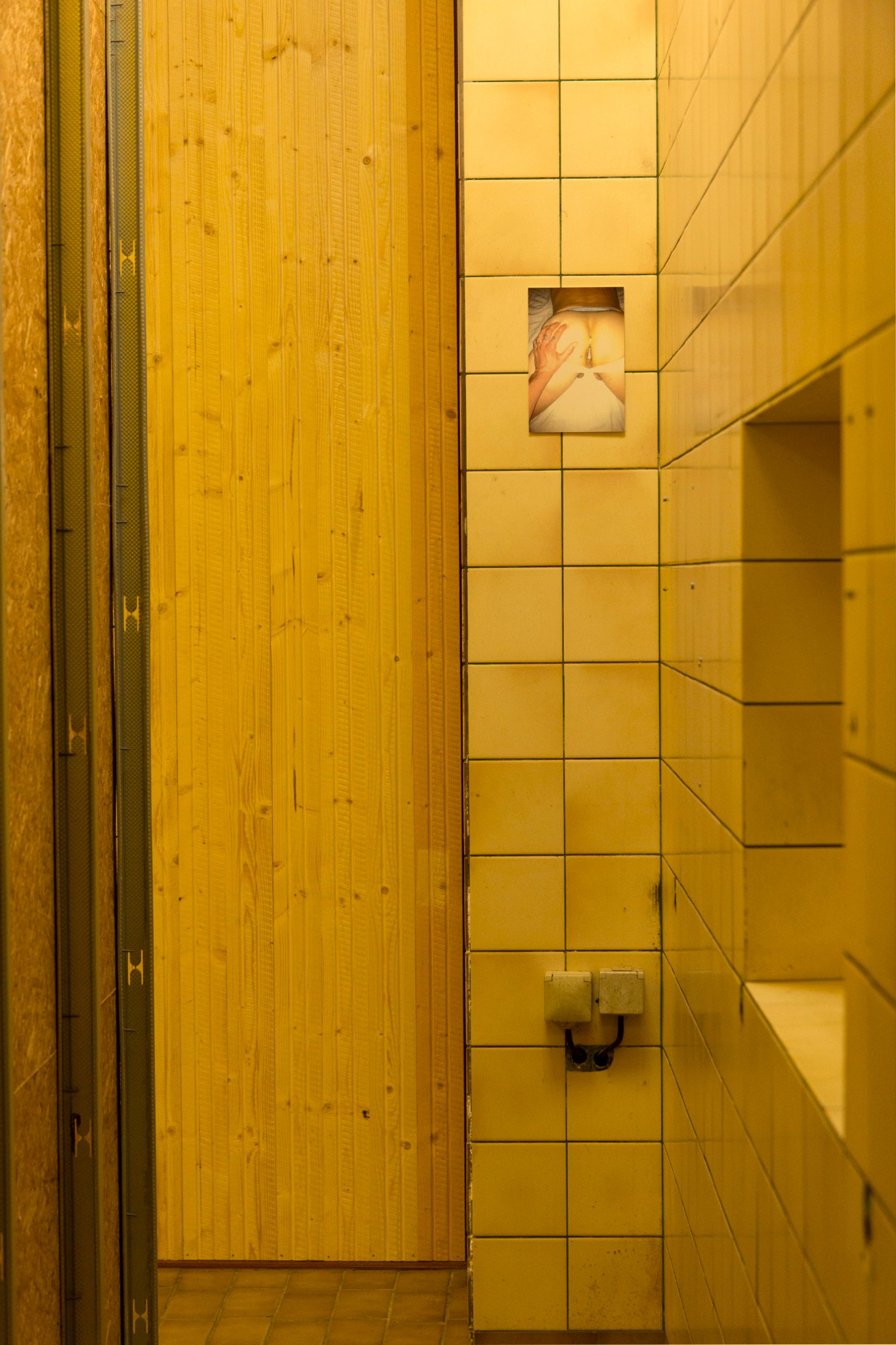
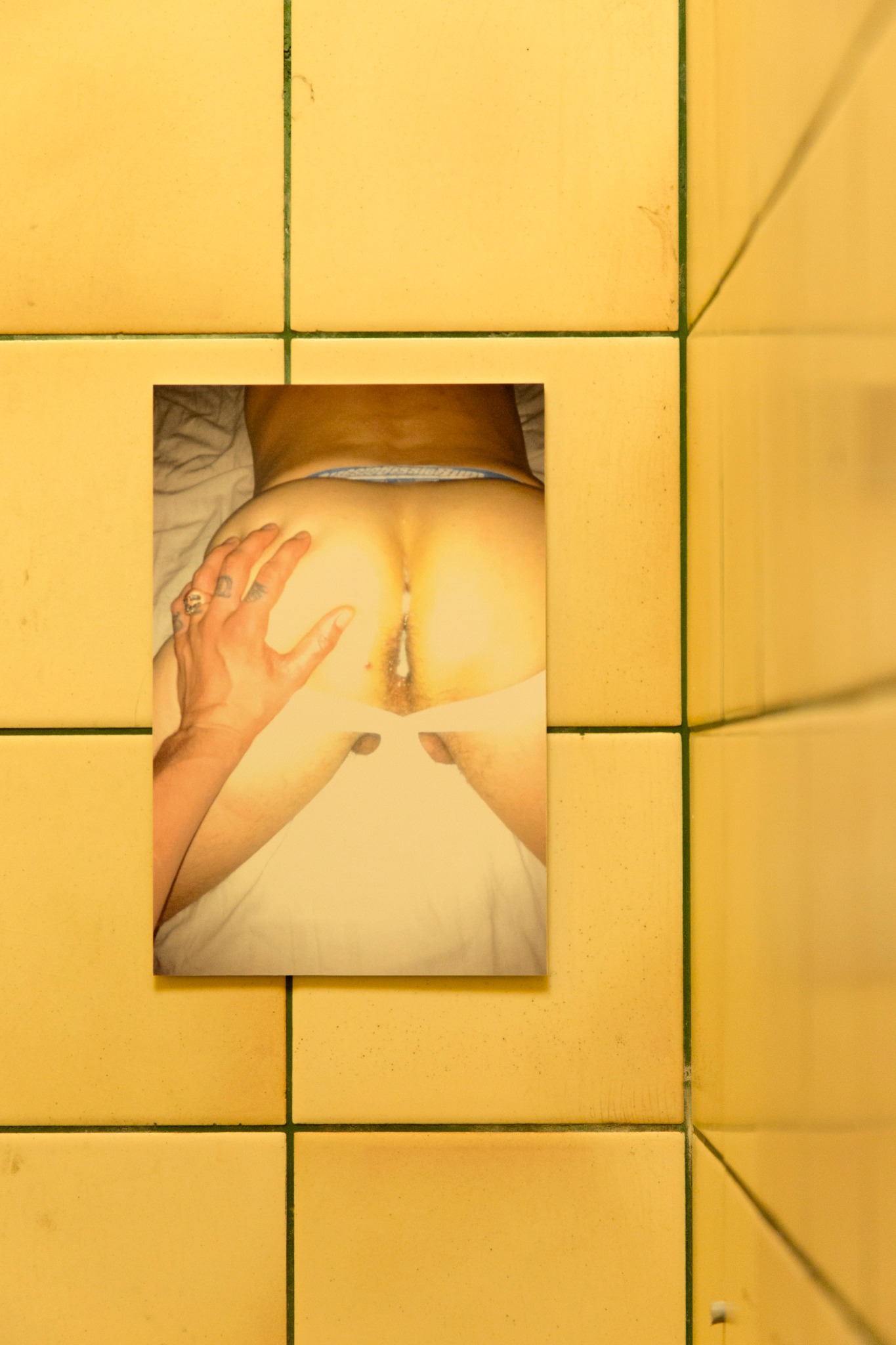
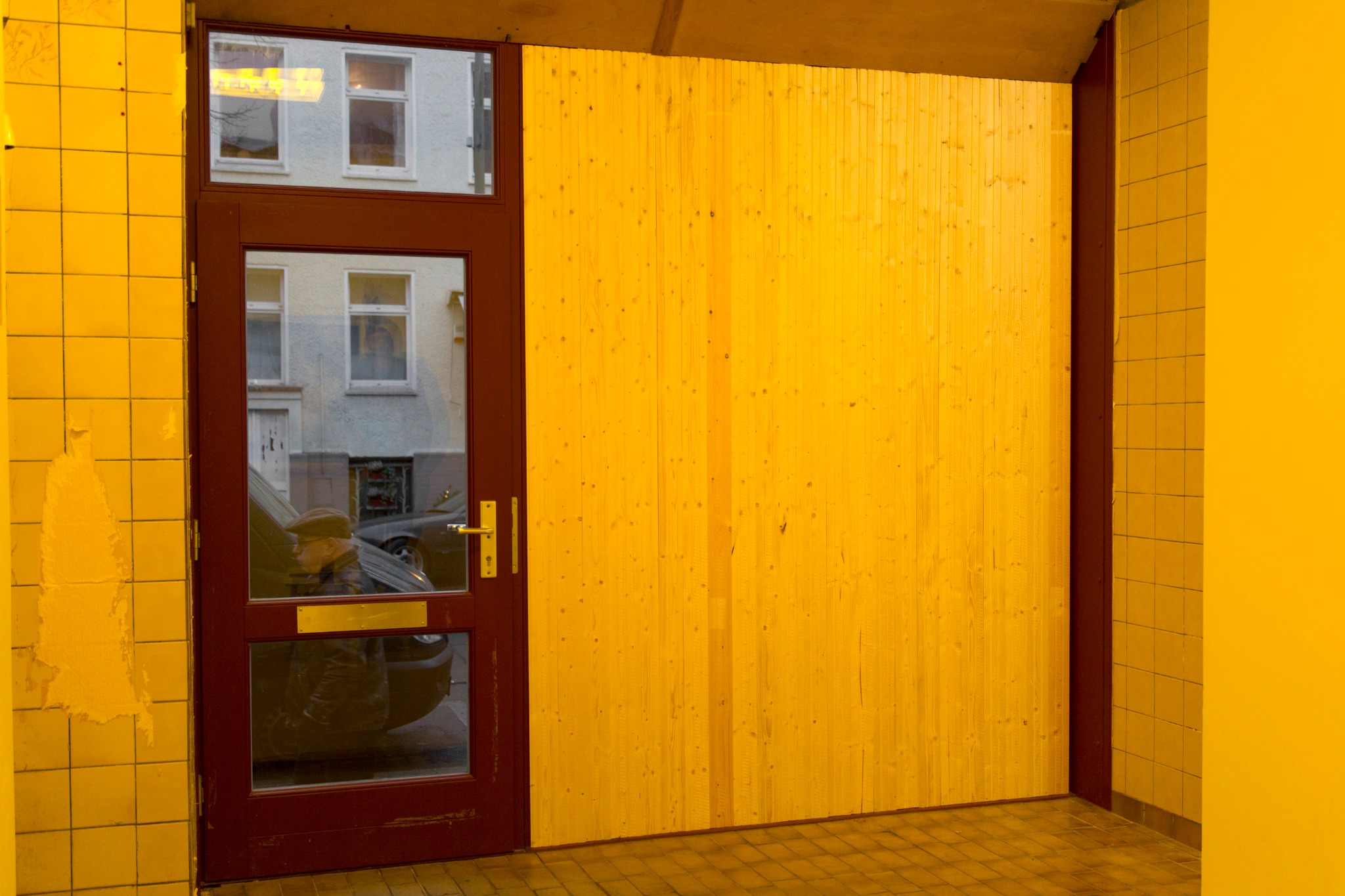
Liszt was an exhibition space run by Lukas Quietzsch and Philipp Simon, where they built a makeshift white cube inside a former butcher shop. In my edition for the space, I wanted to treat it like a stage, where I wrapped the existing neon lights with amber-coloured gels, covered the street-facing window with wooden slats, and cut a hole in one of the dry walls. Photographs of three very different families and partnerships were on display within the makeshift dollhouse, accompanied by a sculpture and an audio work of an arrangement of Moon River which was then remixed by Aerea Negrot and again by Elizaveta Fedorova. The opening included a performance by underground drag superstar T-Word.
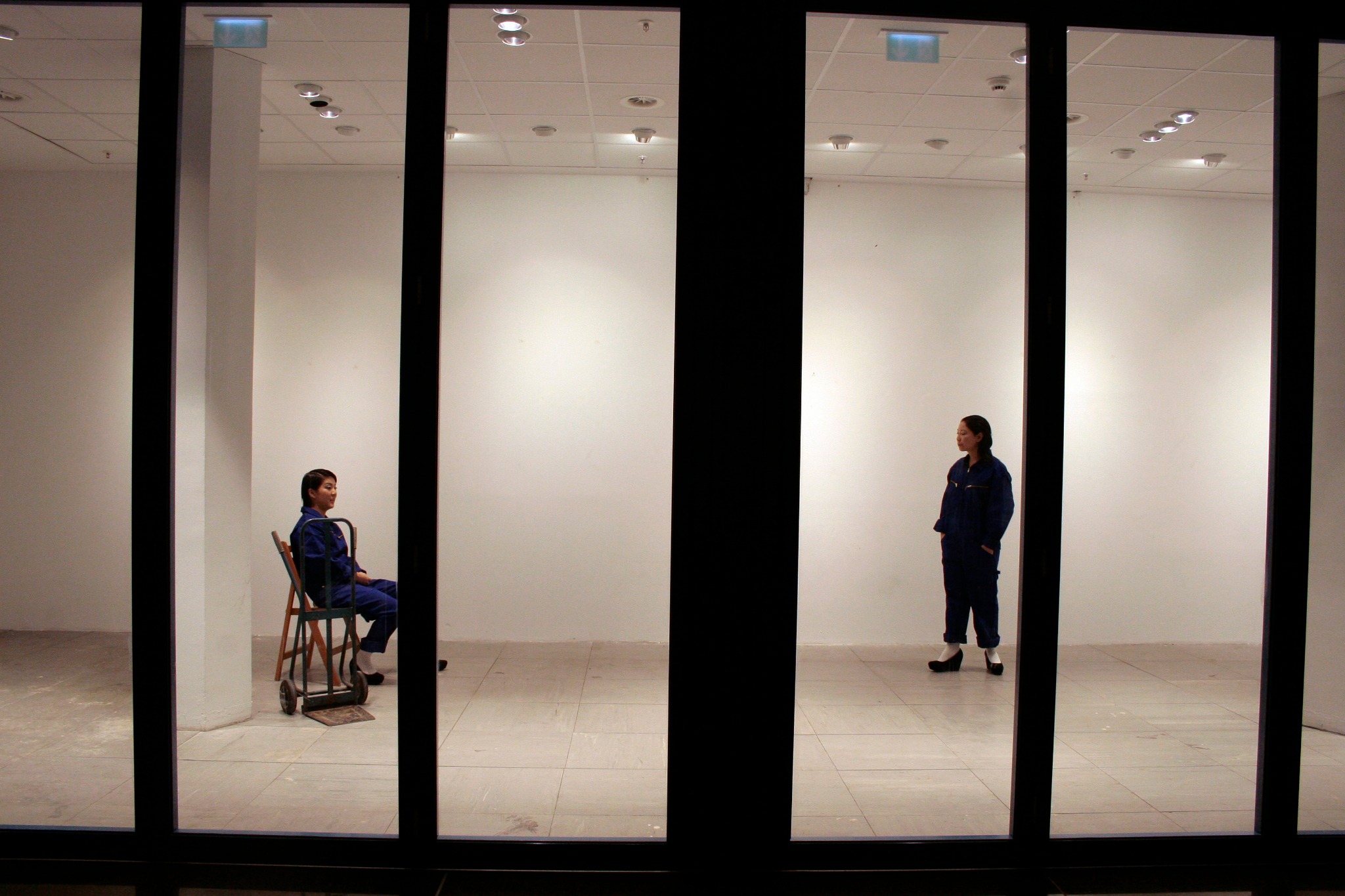
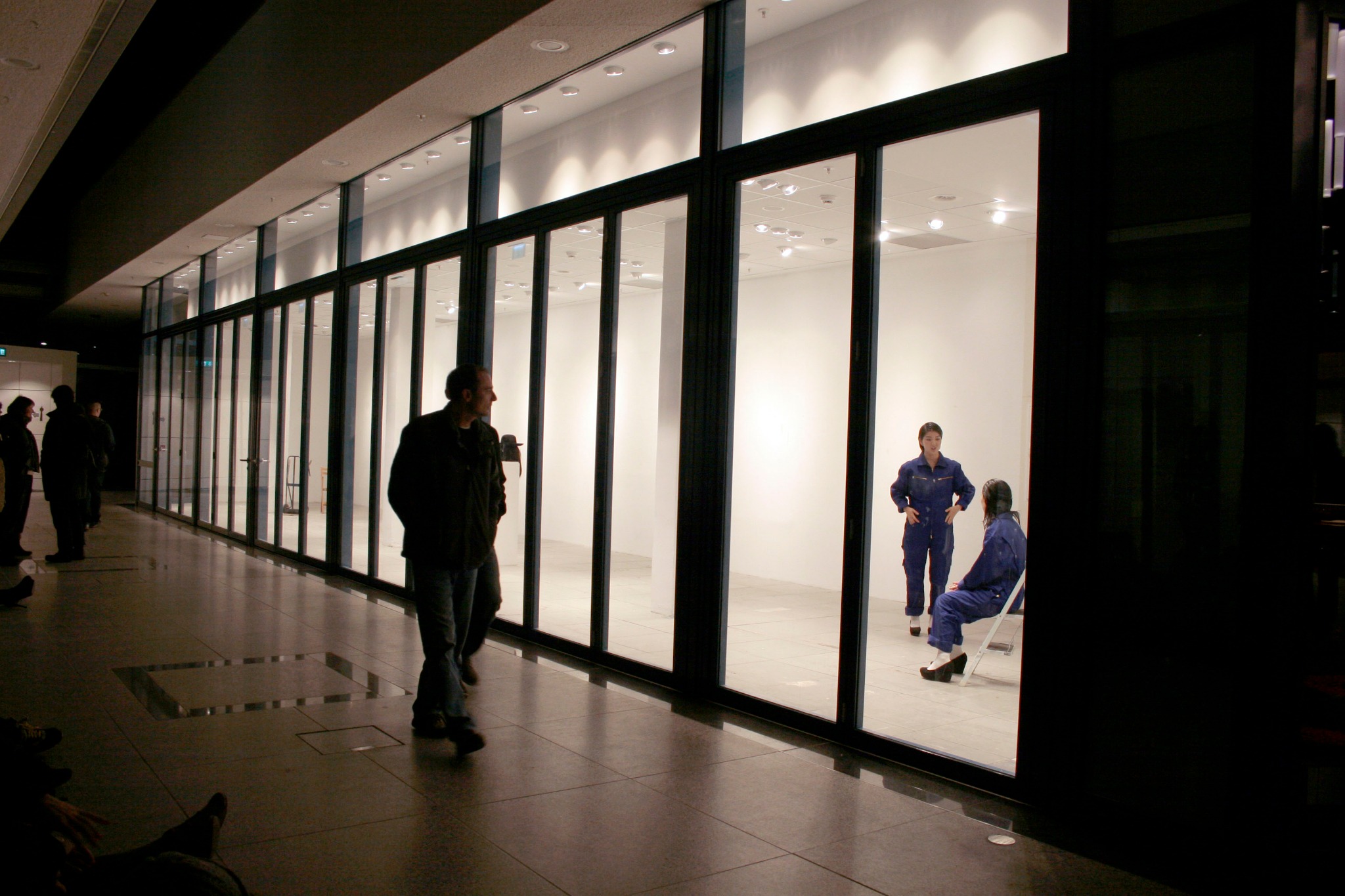
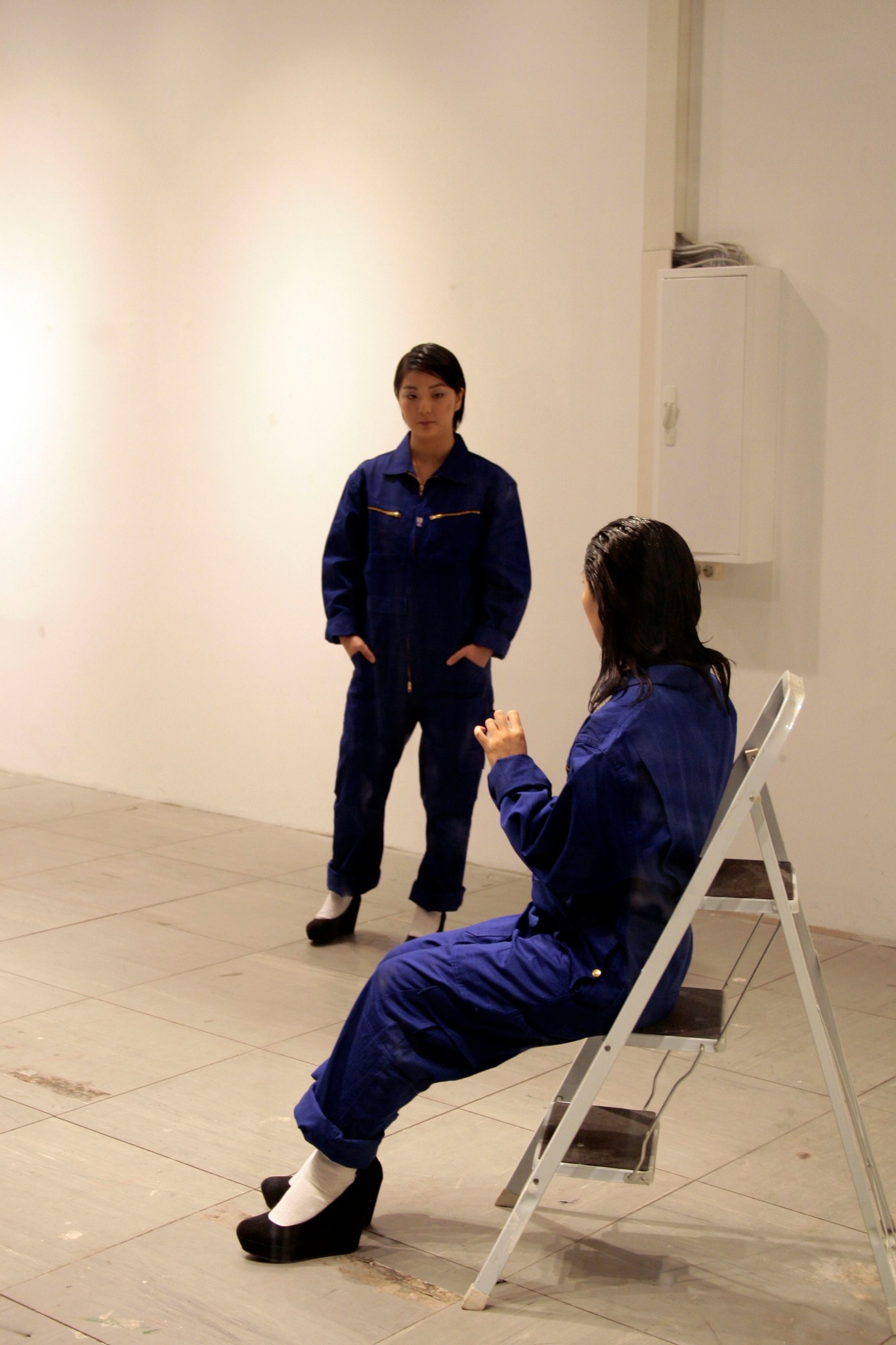
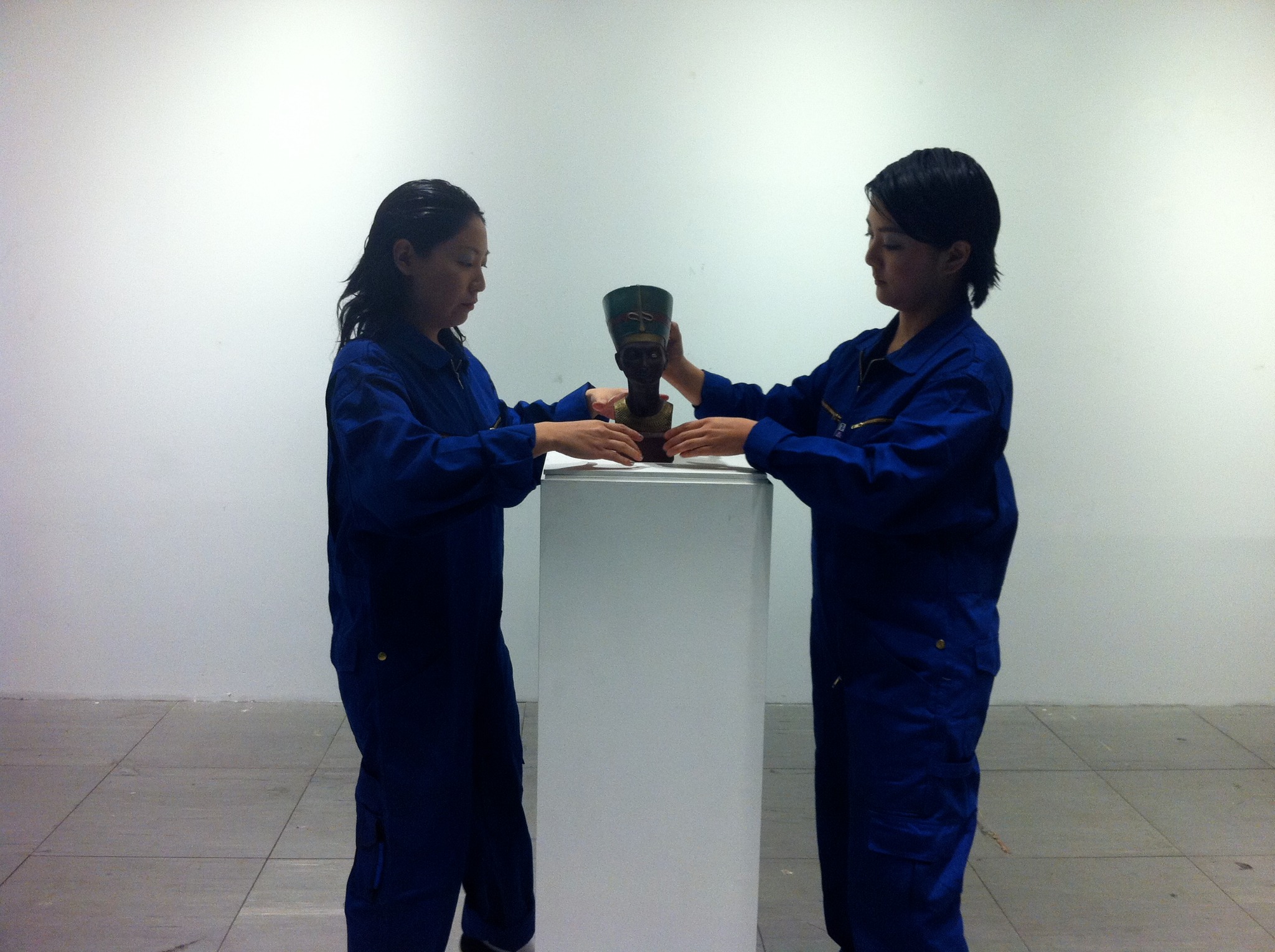
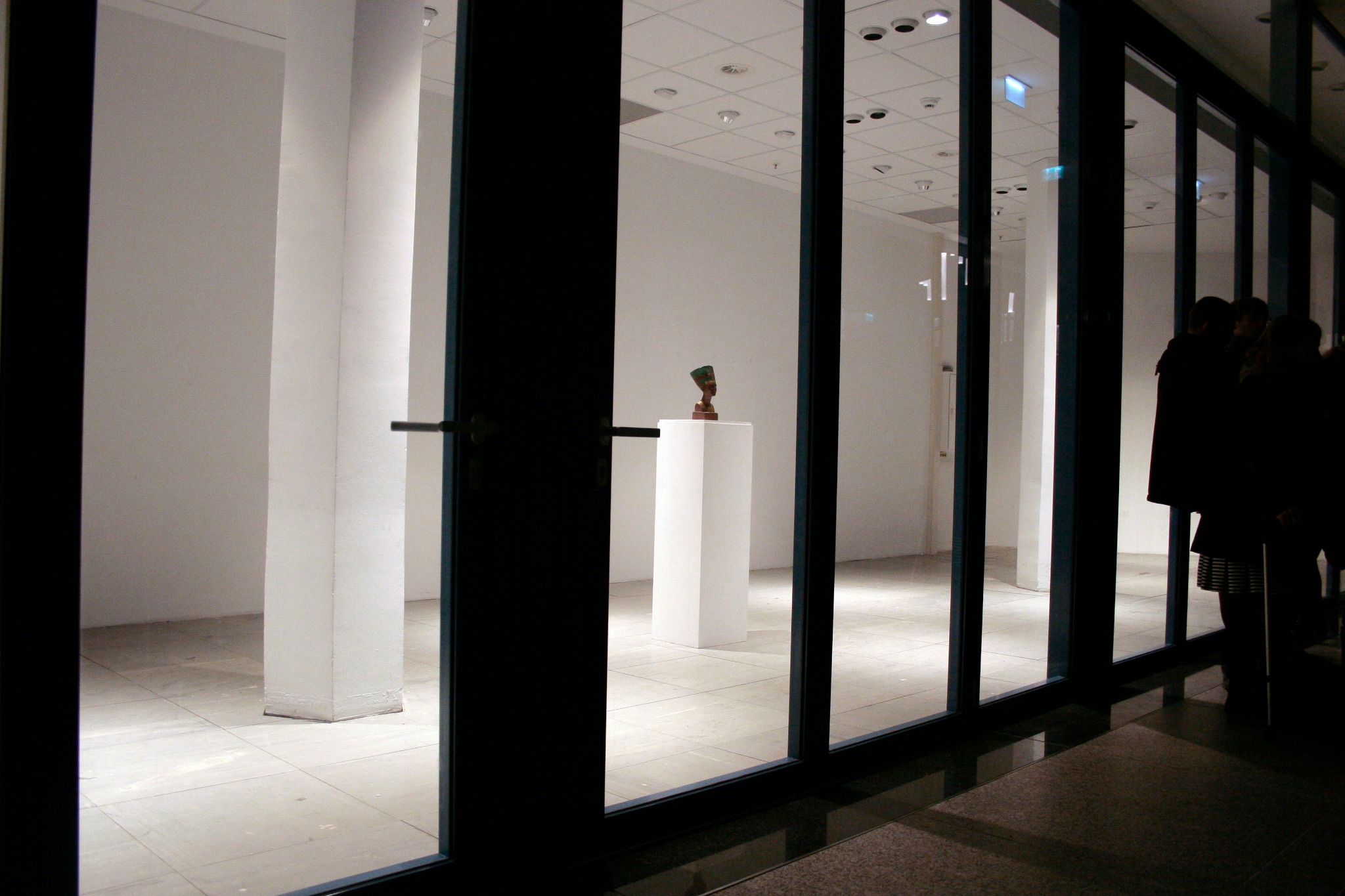
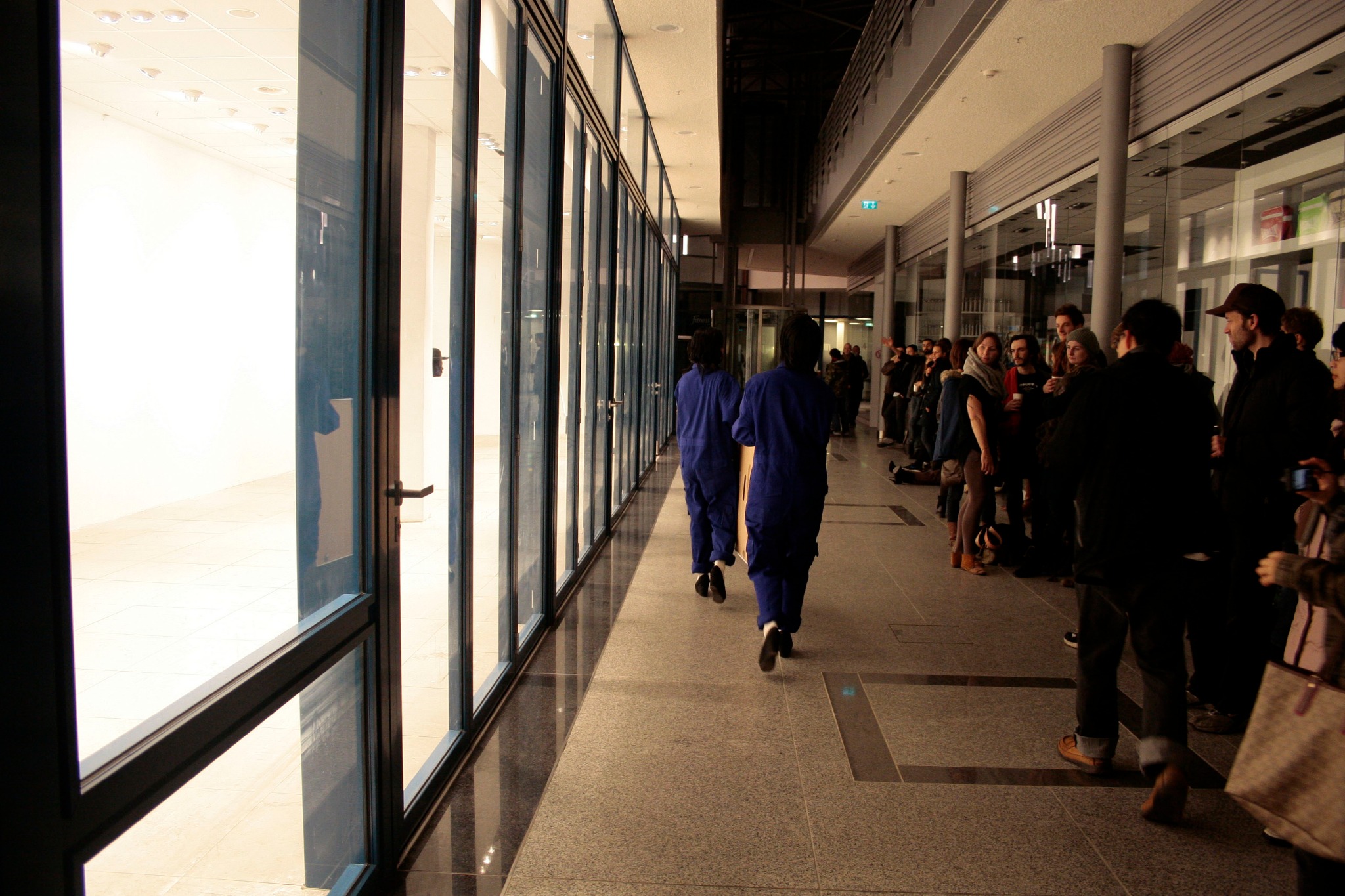
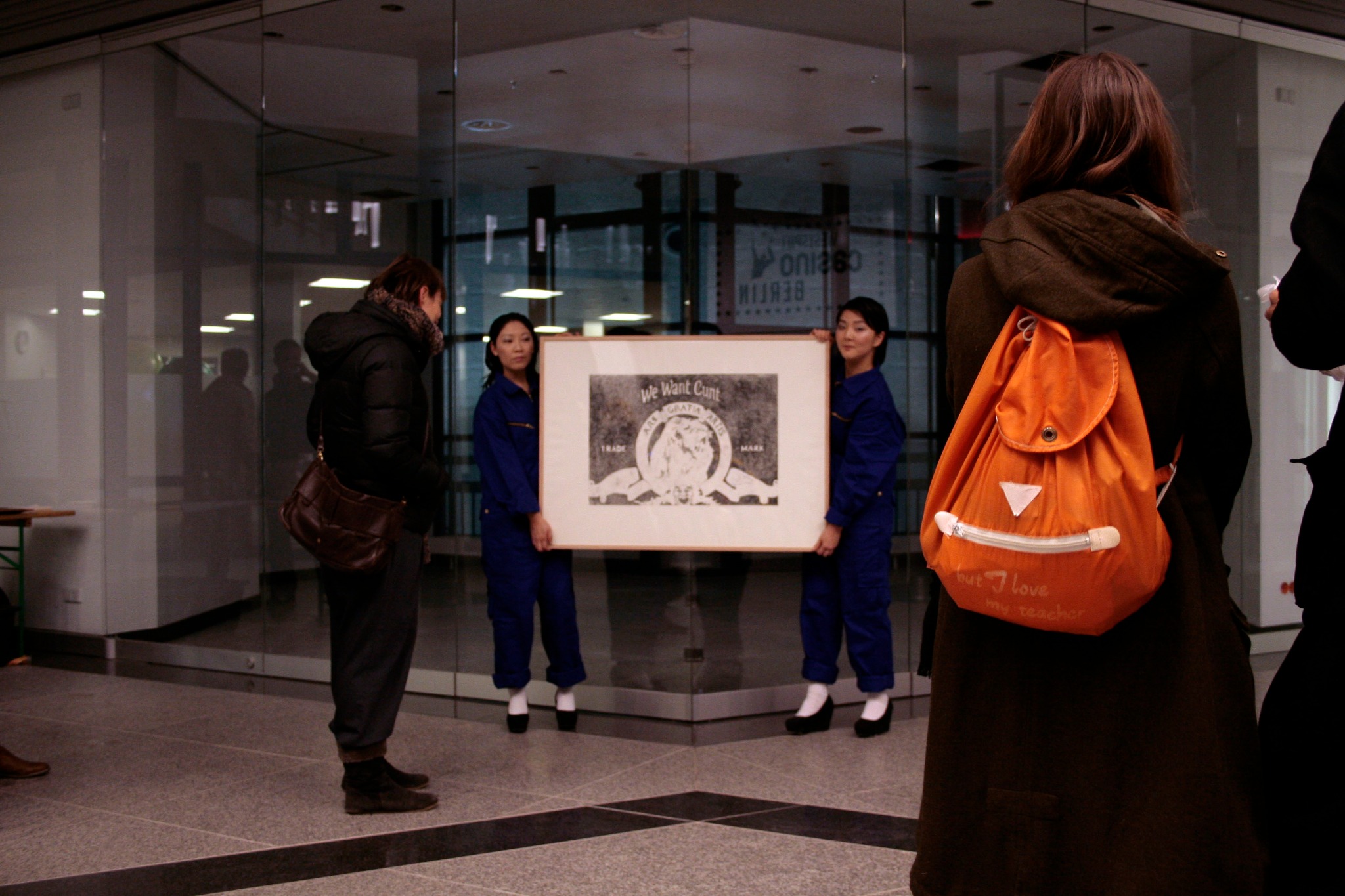
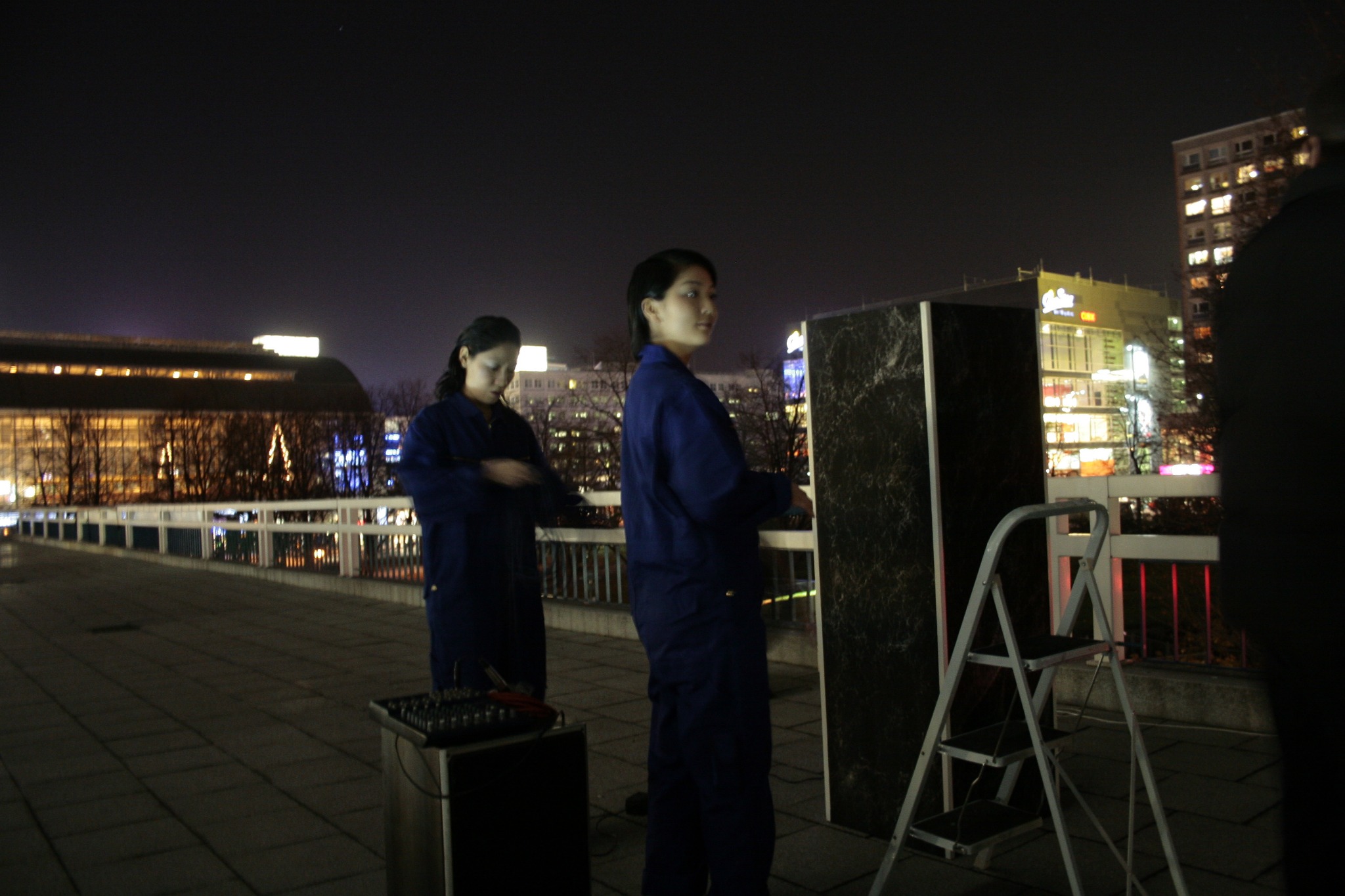
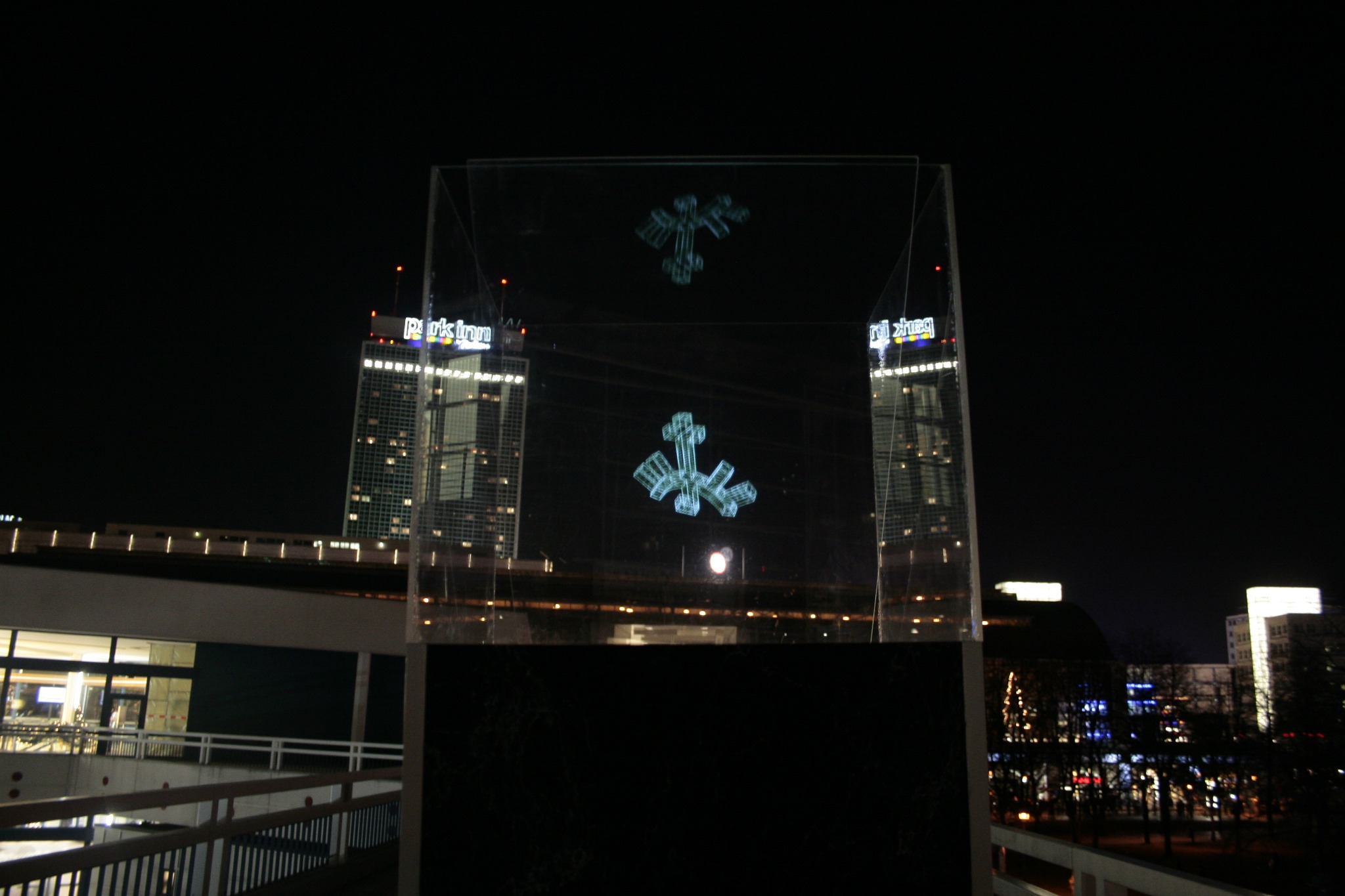
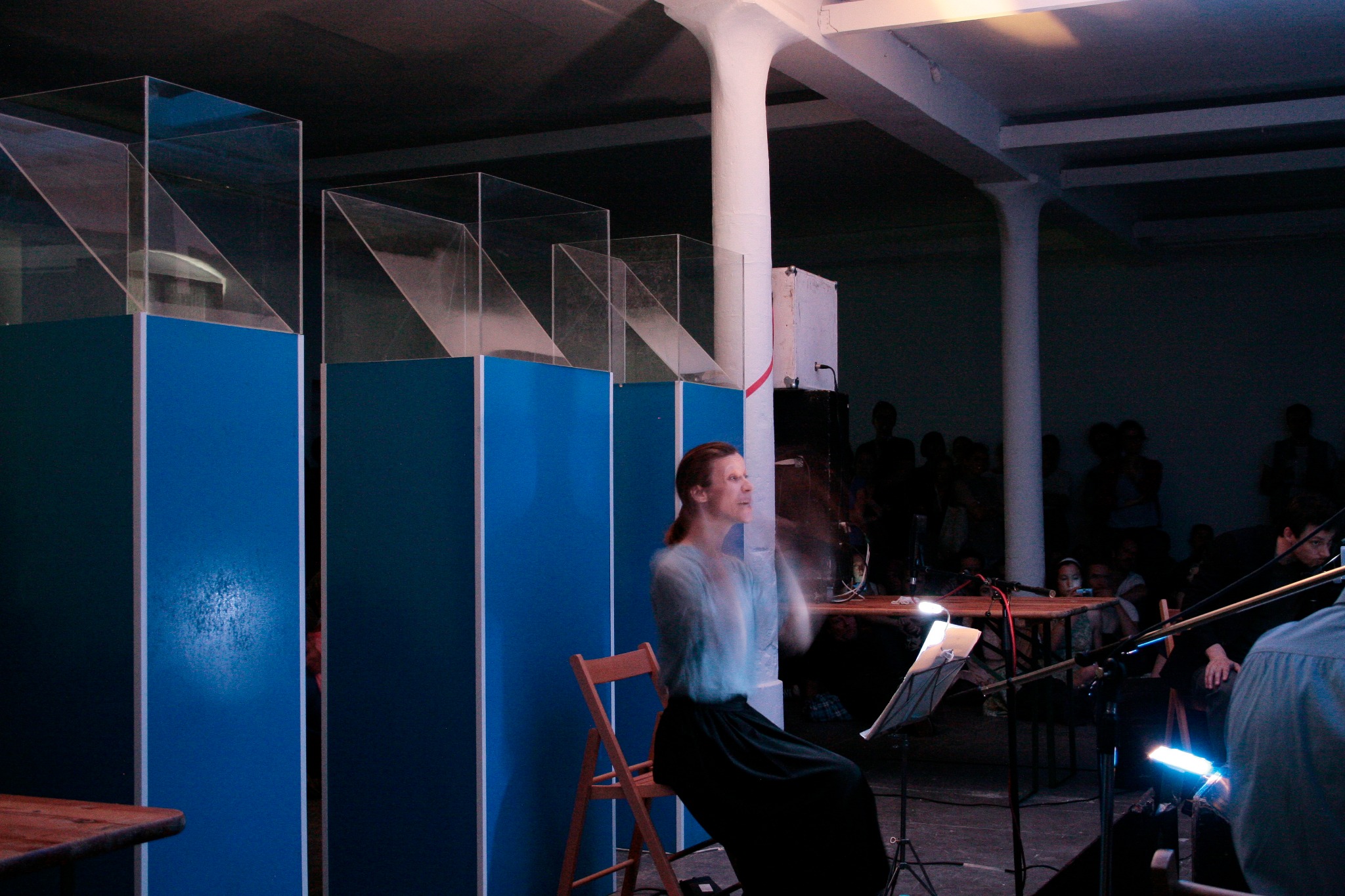
German identity card security symbols were animated as pedestal holograms, which two models wearing German worker uniforms assembled and disassembled awkwardly. For much of the performance, the two models did very little at all but stand around, after which they each posed with intricate etchings of altered film production company logos and a bust of Nefertiti, later installing them in the gallery space, then taking them down again.
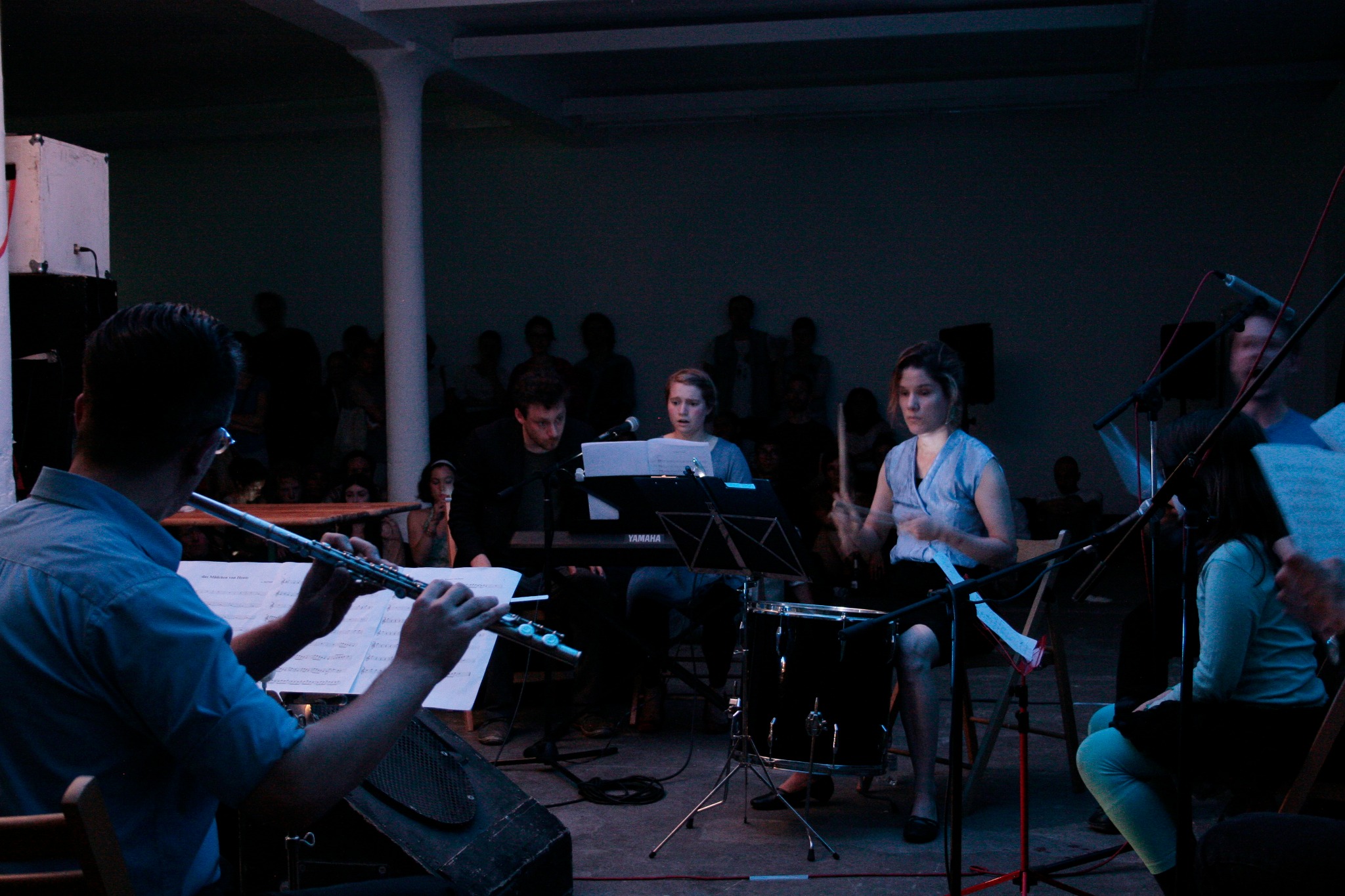
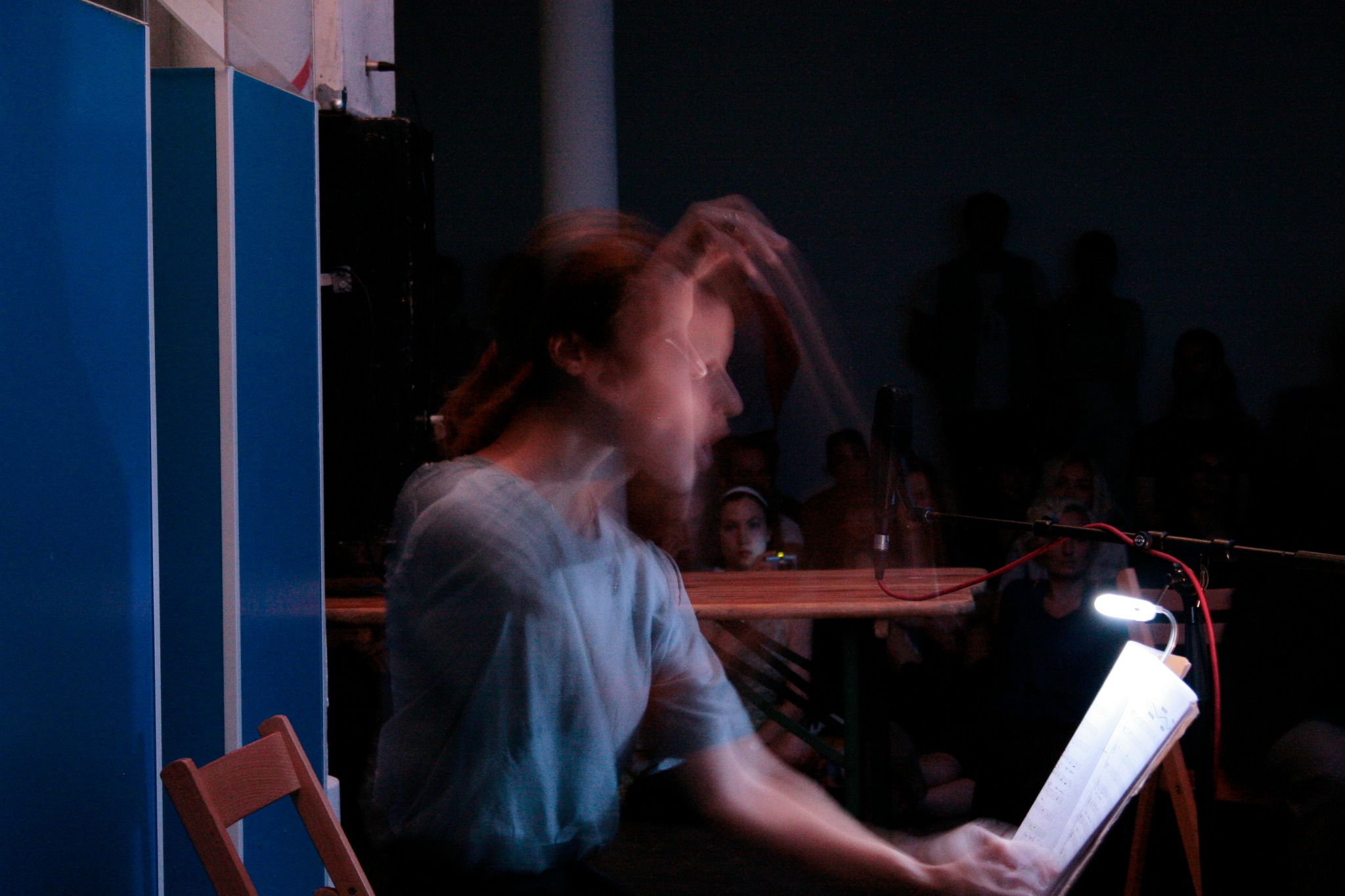
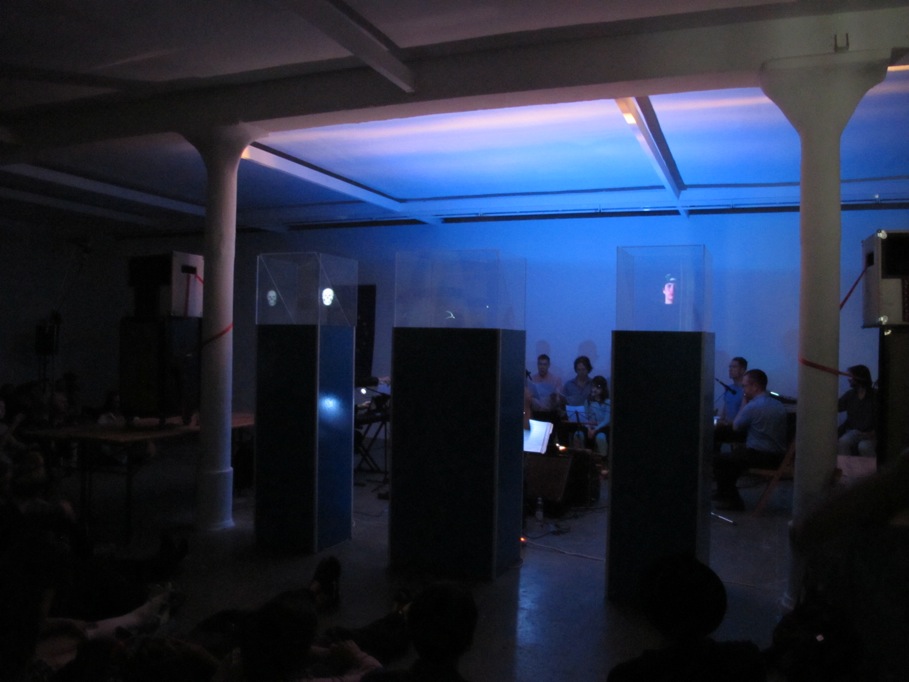
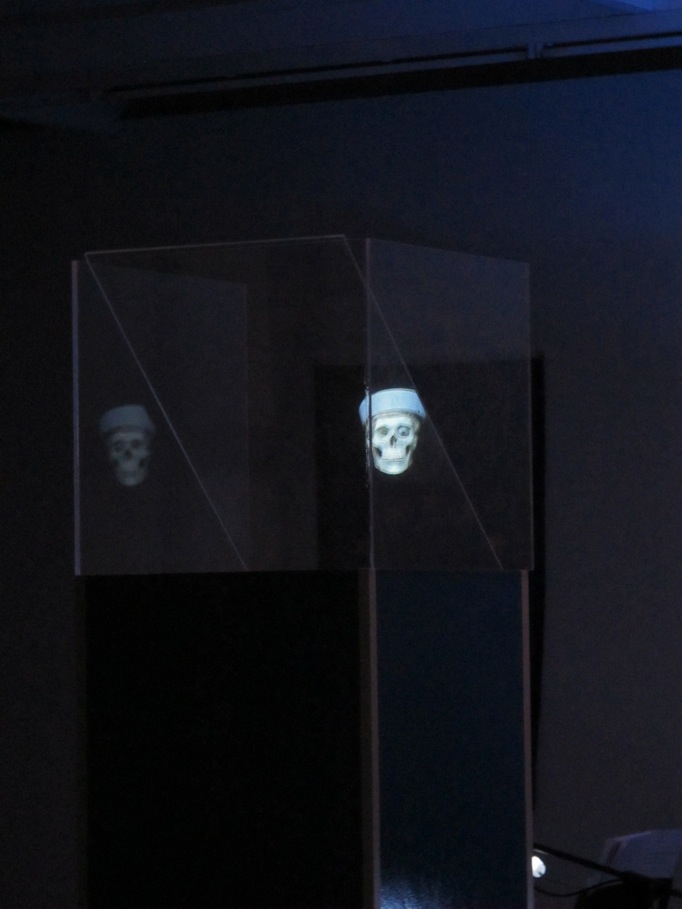
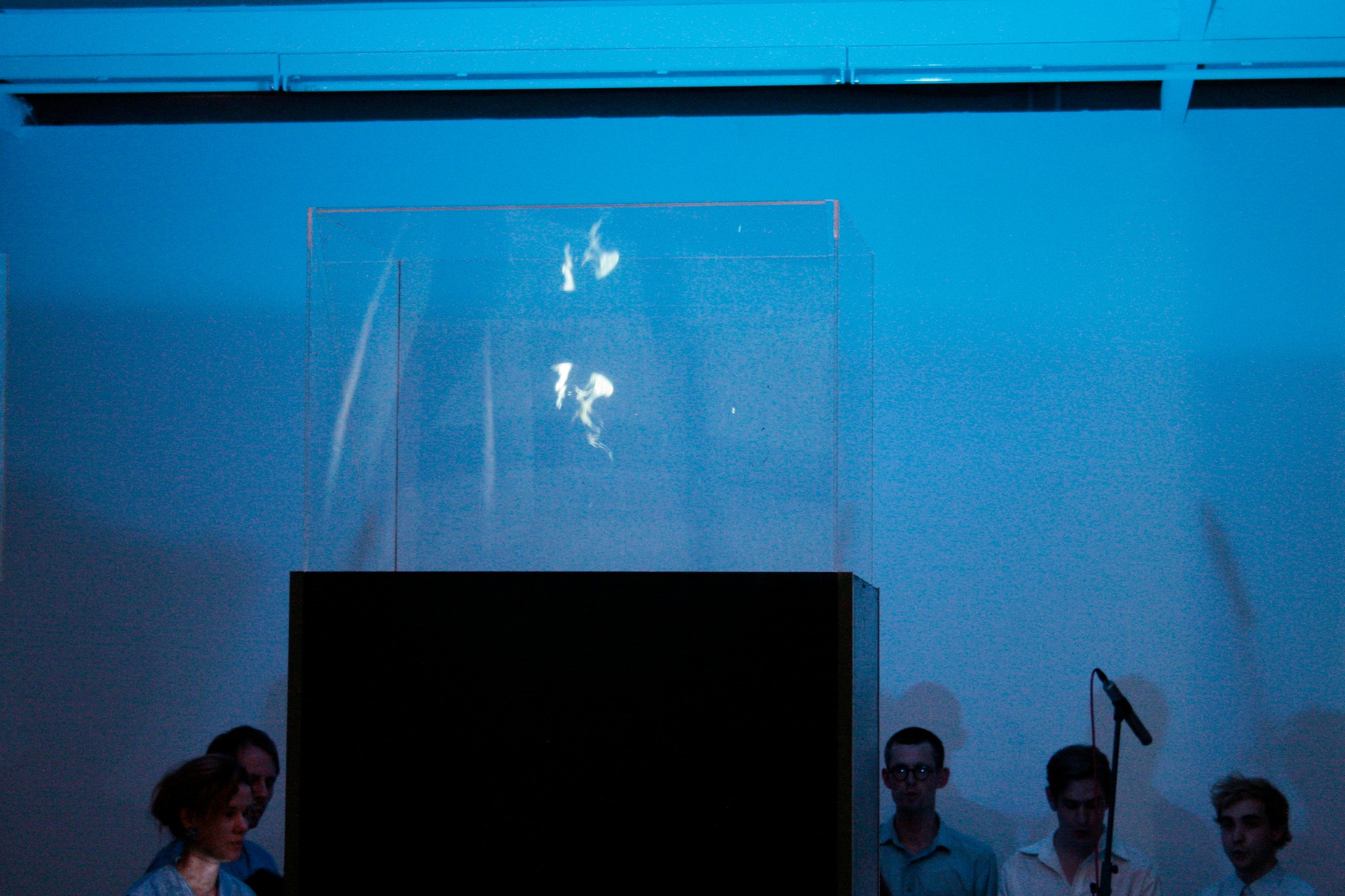
Insignia such as army tattoos, an immortal jellyfish in Italian captivity, and an art historical bust of Nefertiti were hologrammed and accompanied by a nine-person choir. The performance included a musical score by Albert McCloud.
coming soon